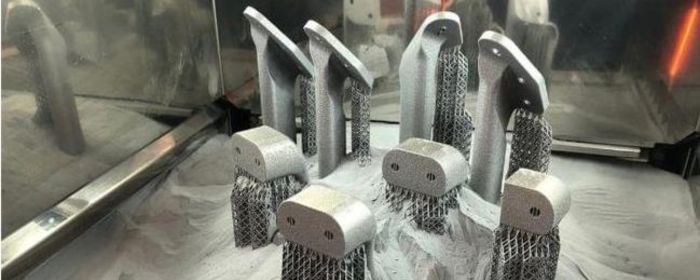
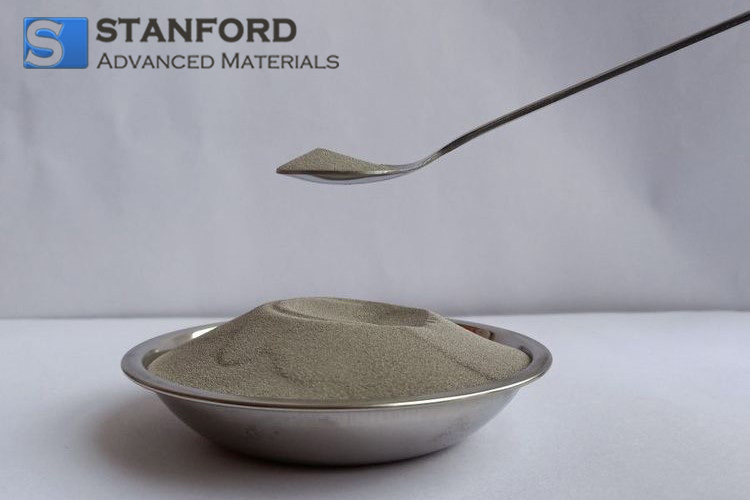
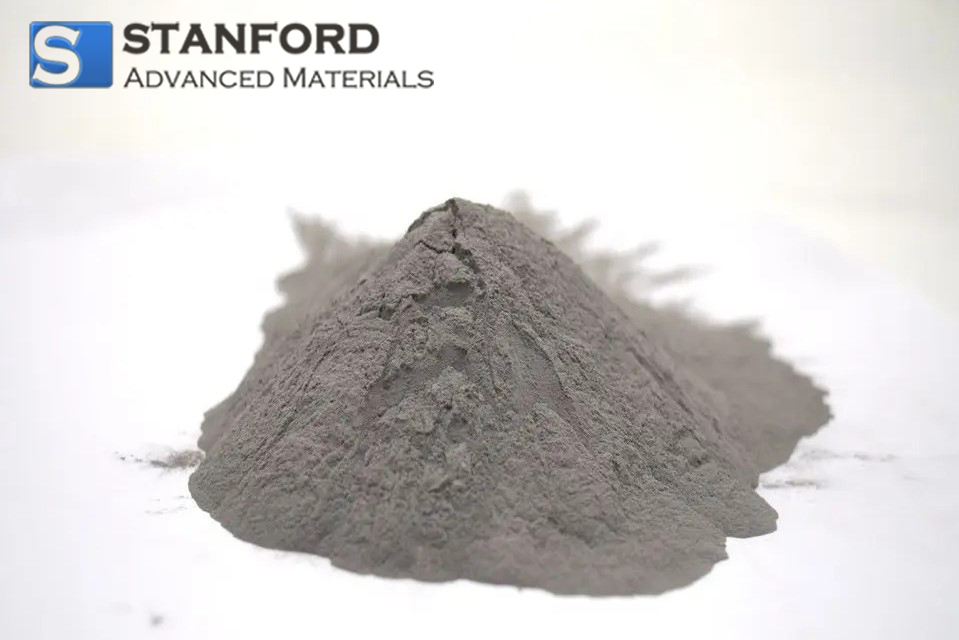
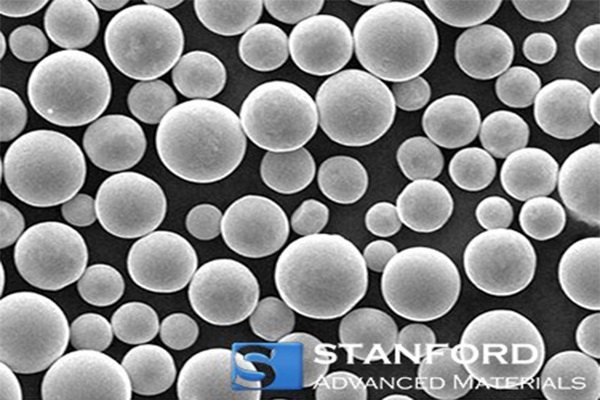
3D printing is transforming the field of aerospace components. The metal powder that you choose is an essential factor since it will influence the part’s strength, weight, and durability. In the following paragraphs, we will look at popular powders available today.
1. Ti-6Al-4V Powder (Grade 5 Titanium)
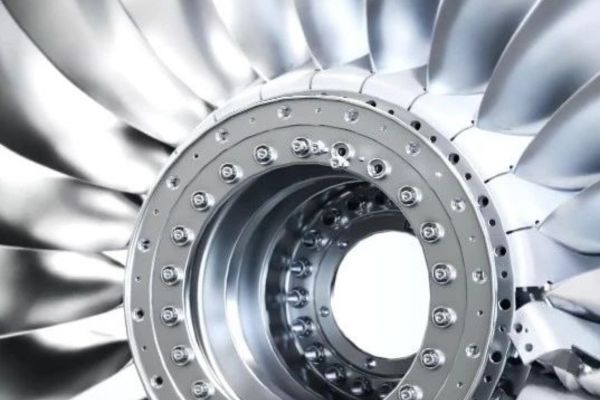
Ti-6Al-4V is the favorite for 3D printing in the aerospace industry due to its high level of strength, light weight, corrosion resistance, and weldability. Roughly 60% lighter than steel yet just as tough, it’s ideal for jet‑engine blades, airframe brackets, and spacecraft structures.
When printed using Selective Laser Melting (SLM), Ti-6Al-4V parts help the industry cut down on weight while staying tough and reliable.
Read more: 3D Printing Metal Powder Series 1: Spherical Titanium Alloy Ti-6Al-4V
2. Inconel 718 Powder (Nickel-Based Superalloy)

Inconel 718 holds up incredibly well under high heat. It keeps its strength and doesn’t warp at temperatures up to 700°C, which is why it's vital for high‑heat engine parts like turbine disks, combustion chambers, and exhaust nozzles.
Plus, with 3D printing, the internal material structure of Inconel 718 actually becomes stronger, ensuring the material withstands stress more easily. This makes Inconel 718 one of the first choices for parts in airplanes.
Read more: 5 Types of Nickel-Based Alloy Powders
3. AlSi10Mg Powder (Aluminum Alloy)
AlSi10Mg is an aluminum alloy powder used for 3D printing. It is known for its ease of casting, light weight, high strength, and its ability to conduct heat. In aerospace, it's often chosen to make lightweight frames, heat exchangers, and satellite parts.
After heat treatment, 3D-printed AlSi10Mg components can perform just as well as—or even better than—traditionally cast parts. And because additive manufacturing offers more design flexibility, it allows for intricate internal structures, which helps cut down even more weight.
Read more: Understanding AlSi10Mg Powder: Key Material for Additive Manufacturing
4. C103 Powder (Niobium-Based Alloy)
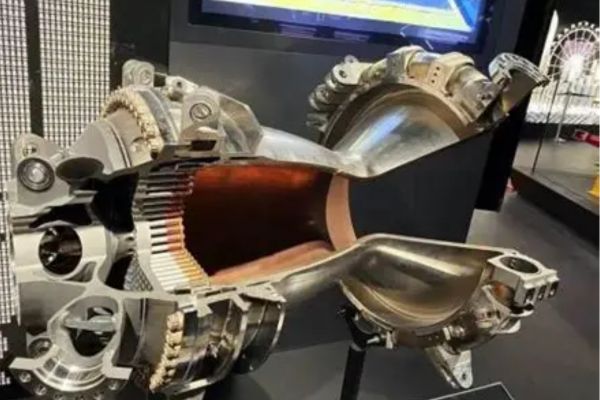
C103 is a reliable niobium alloy, it handles extreme heat well, is easy to process, and doesn’t weigh too much. That's why in aerospace, especially for rocket engines, it's commonly chosen to make critical high-temperature parts like thrust chambers, injectors, and nozzles.
C103 alloy powder can withstand temperatures as high as 1400°C while resisting thermal shock and remaining easy to weld. 3D printing allows entire C103 thrust chambers—complete with complex internal cooling channels—to be made as single pieces. That’s hard to pull off with traditional methods, and it greatly boosts engine performance and reliability.
Read more: C103 Alloy Powder: High-temperature Niobium-based Alloy Powder for Aerospace
5. CoCrMo Powder (Cobalt-Chromium-Molybdenum Alloy)
Cobalt chromium alloys perform extremely well under conditions of heat, wear, and corrosion. These alloys retain their strength despite being under stress over time. In the aerospace field, cobalt chromium is used to perform specific roles on tough engine parts that require withstanding high temperatures and friction, like turbine blade seal rings. Interestingly, cobalt chromium is biocompatible, which means it could serve many purposes during long missions into space.
Read more: CoCrMo Alloy Powder: Composition, Applications, Processes, Properties
6. 17-4PH (Precipitation-Hardening Stainless Steel)
17-4PH is a type of stainless steel alloy powder, but it becomes stronger, harder, and corrosion-resistant after undergoing certain types of heat treatment. The alloy is particularly used for critical application parts within the aerospace industry.
In addition, it is a safe option when it comes to 3D printing because it can be printed smoothly and can result in parts with a clean finish, requiring minimal finishing touches.
Read more: Overview of 17-4PH Stainless Steel Powder
Performance Comparison
| |
Ti-6Al-4V
|
Inconel 718
|
AlSi10Mg
|
C103 (Nb Alloy)
|
CoCrMo
|
17-4PH
|
|
Specific Strength
|
Exceptional
|
High
|
High
|
Medium-High
|
Medium-High
|
High
|
|
Density (g/cm³)
|
Low (~4.43)
|
High (~8.19)
|
Very Low (~2.68)
|
Medium (~8.86)
|
High (~8.5)
|
Medium (~7.8)
|
|
Corrosion Resistance
|
Excellent
|
Excellent
|
Good
|
Poor*
|
Excellent
|
Excellent
|
|
Wear Resistance
|
Moderate
|
Good
|
Poor
|
Poor
|
Exceptional
|
Good (HT)
|
|
High-Temp Performance
|
Moderate (<600°C)
|
Exceptional (<700°C)
|
Poor (<250°C)
|
Superb (<1400°C)
|
Excellent (<1150°C)
|
Poor (<315°C)
|
|
Thermal Conductivity
|
Poor
|
Poor
|
Excellent
|
Moderate
|
Poor
|
Poor
|
|
Applications
|
Frames, Structures
|
Turbine Disks, Combustors
|
Lightweight Brackets, Heat Sinks
|
Rocket Thrust Chambers, Nozzles
|
Wear Rings, Bearing Housings
|
High-Strength Structures, Fasteners
|
*Requires protective coating for oxidation resistance.
Conclusion
Today, engineers develop new heat-resistant alloys using metals such as niobium, molybdenum, and iridium to make stronger and higher-thrust rocket engines for the next generation. There is also an increased use of making custom alloys for specific purposes.
The future will bring increasingly specific powders into the aerospace world, helping to usher in a new age of what is possible in extreme environments.
Stanford Advanced Materials (SAM) has extensive experience in manufacturing high-quality 3D printing powders. Get A Quote.