As of March 9, 2026, copper is trading at $5.84 per pound, which may be down 1.17% in the last month but is still up by a staggering 26.62% from last year. This surge is fueled by a storm of factors, like tightening supplies of copper concentrate and exploding demand from artificial intelligence and the renewable energy transition. But here’s the interesting part: even as conventional copper prices are going through the roof, a high-tech variant of copper – nano copper powder – is ready to take center stage. Due to its unique properties, nano copper powder is unlocking huge opportunities in high-tech applications.
What Makes Nano Copper Powder So Special?
Nano copper powder refers to copper particles with a diameter of less than 100 nanometers. This stuff is a different ball game altogether compared to your average copper powder.
It boasts:
- A Tiny Size Effect
- A High Surface Area Effect
- A Quantum Tunneling Effect
.jpg "What Makes Nano Copper Powder So Special")
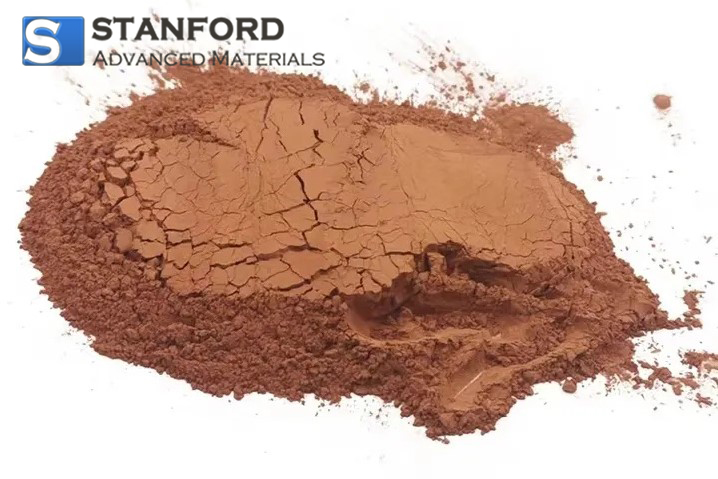
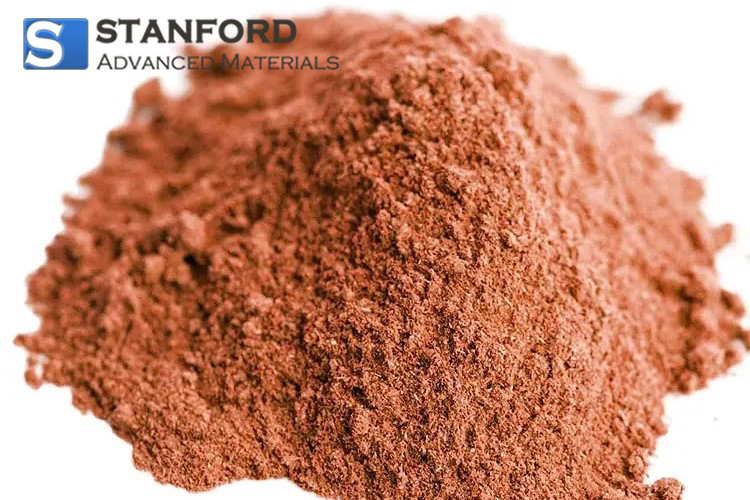
With this, nano copper powder enjoys a huge advantage over copper in terms of specific surface area and surface/chemical reactivity. It has a purplish-brown to black color, a purity of over 99.5%, and a specific surface area of between 2.0 to 5.0 m²/g. Nano copper powder, therefore, shines as a superstar in electrical conductivity, thermal, and catalytic properties, thus acting as a replacement alternative to copper in various technological applications.
How is Nano Copper Powder Made?
There are two main routes to making nano copper powder: physical and chemical methods. Physical methods include gas-phase evaporation, plasma processing, high-energy ball milling, etc. Though high-purity nano copper powder can be synthesized by using these routes, the equipment required is very costly and complex, making it unsuitable for bulk synthesis. For example, in gas-phase evaporation, induction heating is used to evaporate and subsequently condense copper nanoparticles, and the rate of synthesis is painfully slow, only 0.5 kilograms per hour.
That's why chemical reduction is the industry workhorse. This category includes methods using formaldehyde, hydrazine hydrate, or ascorbic acid. These techniques reduce a copper salt solution to create nano-scale powder. They're popular because they use simpler equipment, have lower costs, and are much easier to scale up for industrial production.
Where is Nano Copper Powder Used?
1. Electronics
Nano copper is used as a star conductive filler in electronic pastes, conductive adhesives, and electrodes. The good conductivity and sintering property of copper make it ideal for the manufacture of printed circuit boards and integrated circuits. This property also makes it suitable for the reduction of the sintering temperature of the paste and the enhancement of the conductivity and reliability of the component.
2. Microelectronics
The good processing property of copper makes it suitable for the interconnection and wire bonding of chips, which improves the performance of the devices. In the manufacture of multi-layer ceramic capacitors (MLCCs), copper powder is sintered at high temperatures to form dense electrodes, which is an essential process in miniaturizing the device.
3. Energy
In the solar industry, copper is key to replacing silver. As the core material for silver-coated copper powder, nano copper needs low oxygen content and high sphericity to ensure a uniform silver coating and top-notch conductivity. With production of Heterojunction (HJT) solar cells ramping up fast, demand for this specialized copper powder is projected to grow exponentially.
4. Catalysis
The huge surface area and abundant active sites of nano copper make it an excellent catalyst. Copper-based catalysts are increasingly replacing expensive precious metals in applications like methanol synthesis and car exhaust treatment. In catalytic converters, for example, nano copper can partially replace platinum and ruthenium, helping convert toxic carbon monoxide into carbon dioxide.
5. High-Performance Materials
Nano copper's thermal conductivity properties make it a good candidate as a filler material in polymers, which are used to make next-generation thermal interface materials. For example, diamond-copper composite materials can achieve a thermal conductivity of over 600 W/m·K, making them suitable for 5G and AI chipsets.
Nano copper also has the potential to be used as a high-tech lubricant additive. The properties of the material allow the nanoparticles to coat metal surfaces, protecting the materials from wear and tear. Nano copper additives in engine oil, for example, make the oil more effective, even protecting the engines in case of a lubricant failure.
Conclusion
The global market for ultra-fine nano copper powder is on a steady growth path. Looking ahead, the focus will be on developing greener production methods and driving further innovation. Companies like Stanford Advanced Materials are already in a position to deliver top-notch quality nano copper powder, which has helped in the advancement of various sectors, including electronics, energy, and chemicals.