1. Core Additive in Cemented Carbide and Cutting Tools
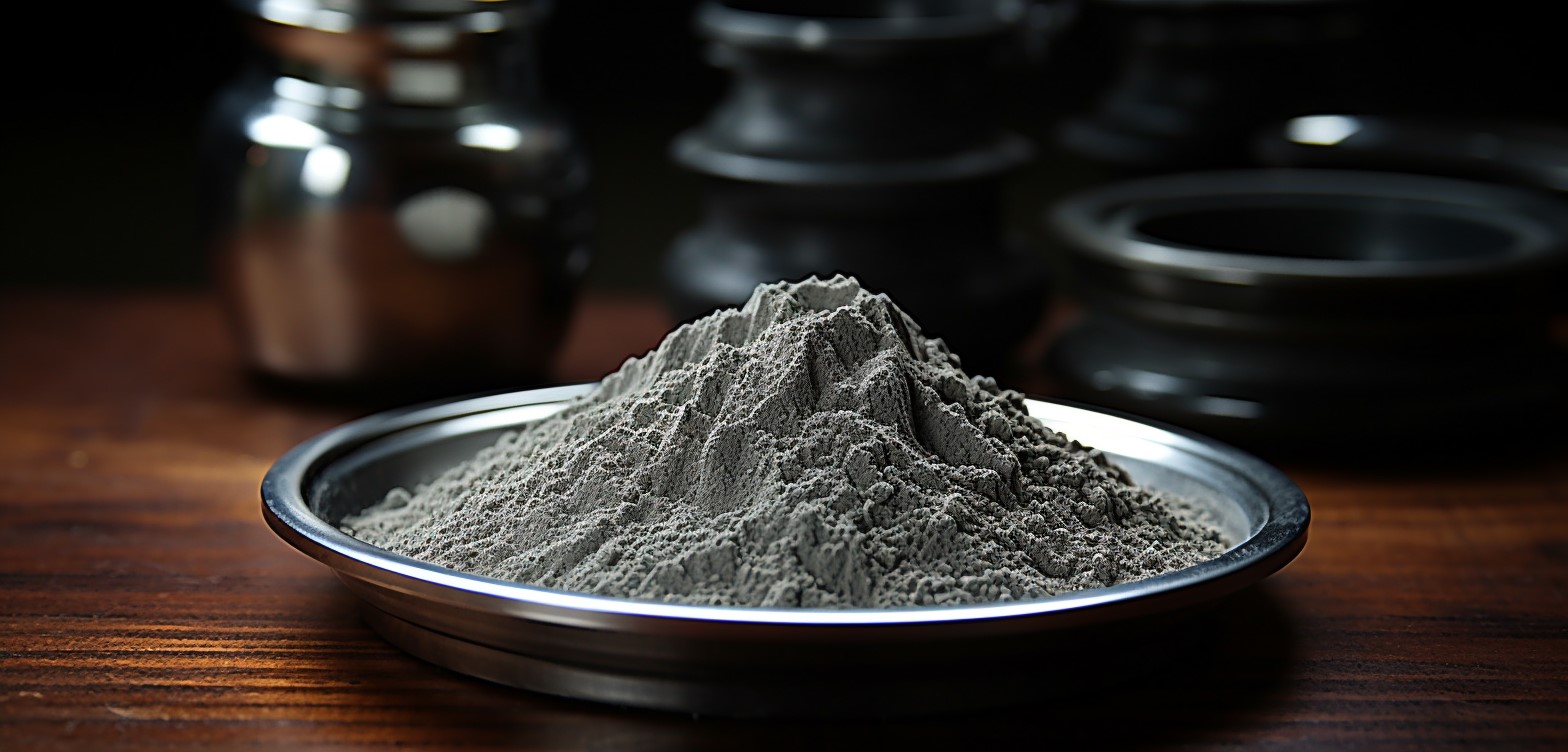
Niobium carbide powder is mainly used as a key additive in cemented carbide. When you're making tungsten carbide (WC)-based cemented carbide, controlling grain growth during sintering is a big deal if you want good mechanical properties. Studies show that niobium carbide works really well as a grain growth inhibitor. Even a small amount can make the alloy's microstructure a lot finer. Compared to using other inhibitors by themselves, WC-10Co cemented carbide with niobium carbide gives you a better mix of hardness and fracture toughness.
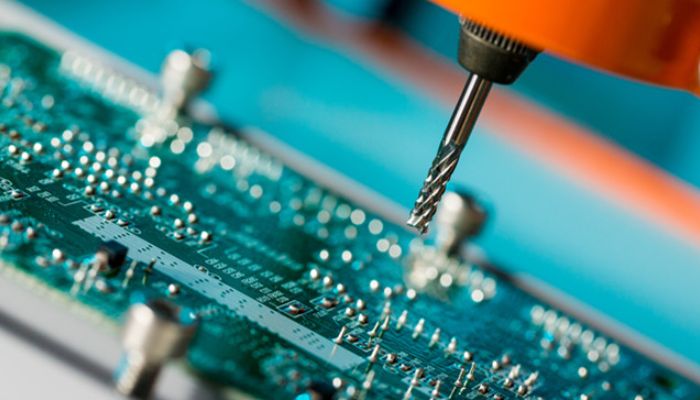
In real-world use, niobium carbide is often combined with tungsten carbide and molybdenum carbide to make ternary or quaternary solid solution carbides. This kind of composite material is commonly used in applications that need high wear resistance and red hardness, like hot forging dies and cutting tools. Especially when you're machining tough-to-cut materials, carbide tools with niobium carbide hold up longer and deliver more consistent cutting performance.
2. Key Material in Surface Engineering and Coating Technology
Niobium carbide powder is also making some serious waves in surface engineering. By putting a niobium carbide coating on a part, you can give it awesome high-temperature hardness and wear resistance without messing with the base material's original properties.
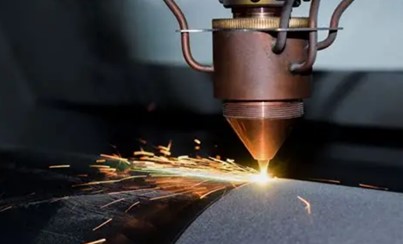
Laser cladding is a huge deal in research right now. In one study, researchers added niobium carbide to a stainless steel coating on EA1T steel axles. They found that the niobium carbide helped refine the grain structure and also caused hard phases like Fe (Nb, C) to form along the grain boundaries. When they bumped the niobium carbide content up to 20% by weight, the coating got 15% harder—hitting up to 60 HRC—and its wear resistance improved big time. Another study came up with a composite coating that's both super hard and smooth-running by mixing niobium carbide and copper-coated hexagonal boron nitride into a nickel-based coating. The hardness landed at 650 HV1.0, and the friction coefficient dropped way down to 0.4.
With some of the more traditional coating methods, you can use chemical liquid phase deposition to build a strong, tightly bonded niobium carbide layer on cast iron piston rings. This coating has a structure that holds onto oil really well and is also extremely hard, which cuts down sliding friction in a big way and helps the piston rings last way longer.
The aerospace industry has some seriously tough demands when it comes to materials holding up under high heat. Niobium carbide coatings are used on high-temperature parts like jet engine turbine blades and rocket nozzles. Since it stays chemically stable below 1100°C, it shields the base material from high-temperature oxidation and damage from hot gas flow.
3. Aerospace Applications
Thanks to its high melting point and serious hardness, niobium carbide is a top contender for aerospace materials. Composite materials based on the NbC-WC-C system are used for the throat inserts in rocket nozzles. That part has to handle some serious abuse from high-temperature, high-speed exhaust gases. Niobium carbide is also used to make turbine rotors, gas rudders, and engine nozzle liners.
These applications really take advantage of niobium carbide's strength at high temps and its chemical stability. It holds up fine in the 1000-1100°C range. Above that, it'll oxidize into niobium pentoxide, but it's still useful in a lot of short-term, high-heat situations.
4. Intermediate Step in Niobium Metal Production
In the metallurgy world, niobium carbide powder has its own special job—it's used as an intermediate step in making niobium metal.
It's part of what's called the indirect reduction method for producing niobium metal. Here’s how it works:
First, you take niobium oxide and carburize it to get niobium carbide.
Then, that niobium carbide is used as a reducing agent and reacts with more niobium pentoxide to form crude niobium metal.
Finally, you refine it to get high-purity niobium metal.
This whole process takes advantage of niobium carbide's just-right reactivity to efficiently turn the oxide into metal.
5. Emerging Applications and Research Frontiers
As material processing technology advances, there's growing interest in using nano-sized niobium carbide powder. Nano-niobium carbide made by gas-phase methods is very fine, uniform, and has high surface activity, making it easier to disperse in composite materials. In the field of multi-phase ceramics, adding niobium carbide as a reinforcing phase gives ceramic materials higher hardness, better fracture toughness, and electrical conductivity. This makes them suitable for wear parts and electrodes.
In the electronics industry, ultra-fine cobalt-containing niobium carbide is used as an intermediate layer material in electron-emitting tubes. It significantly increases the surface emissivity of the grid, lowers its temperature, and reduces thermal electron emission from the grid, thereby extending the tube's lifespan. Niobium carbide can also be used in processing synthetic purple gemstones for decorative applications and precision instruments.
Conclusion
Whether it's stopping grain growth in cemented carbides, standing up to heat in aerospace coatings, acting as a stepping stone in niobium metal production, or reinforcing new nanocomposites, niobium carbide powder has carved out its own unique spot in a bunch of high-tech fields. And it's all thanks to its high melting point, serious hardness, and rock-solid chemical stability. As modern industry keeps pushing for better and better material performance, this so-called "niche" material is definitely going to prove just how irreplaceable it is—on a much bigger stage. Stanford Advanced Materials (SAM) has rich experience in manufacturing and supplying high-quality Spherical Niobium Carbide (NbC).