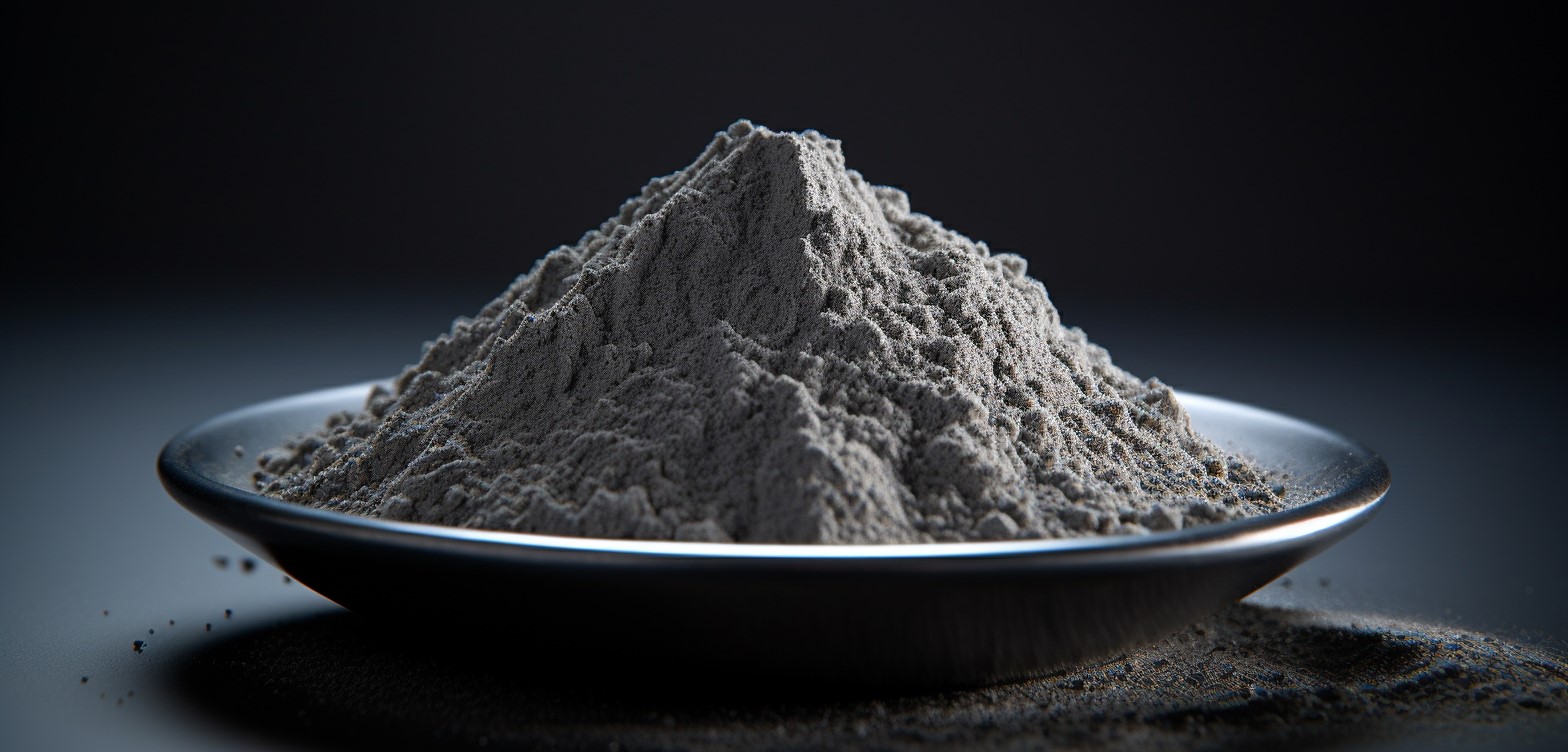
Nickel-Based Powder Description
Nickel-based alloy powder is one of the most widely used alloy powders on the market, offering excellent comprehensive performance. It is corrosion-resistant, oxidation-resistant, heat-resistant, resistant to low-stress abrasive wear, and has good impact toughness.
Types of Nickel-Based Alloy Powders
|
Property
|
Inconel
|
Incoloy
|
Monel
|
Hastelloy
|
Nimonic
|
|
Composition
|
Ni-Cr-Fe + Nb/Mo
|
Ni-Fe-Cr
|
Ni-Cu
|
Ni-Mo-Cr
|
Ni-Cr-Co + Ti/Al
|
|
Strengthening Mechanism
|
γ'' phase (Ni、Nb) + solid solution
|
Solid solution + carbide precipitation
|
Solid solution, Cu enhances corrosion resistance
|
Solid solution, Mo/Cr for corrosion resistance
|
γ' phase (Ni (Al,Ti)) age hardening
|
|
Max Service Temp.
|
650–980°C
|
600–1100°C
|
540°C
|
400–1090°C
|
750–1000°C
|
|
Key Advantage
|
Balanced strength & weldability
|
Oxidation resistance & cost-effectiveness
|
Corrosion resistance in seawater/acid & high strength
|
Extreme corrosion resistance (acid/halide environments)
|
High-temperature creep & oxidation resistance
|
|
Common Grades
|
600, 625, 718, 939
|
800, 825, 925
|
400, K500
|
C-22, C-276, X
|
80A, 90, 105, 115
|
|
3D Printing Suitability
|
Widely used, 718 most mature
|
Moderate
|
more for forgings/castings
|
more for sheets/tubes
|
Requires high preheat (anti-cracking), strict oxygen control
|
|
Applications
|
Aerospace structures, rocket engines
|
Petrochemical heaters, heat treatment equipment
|
Marine pumps/valves, chemical piping
|
Chemical reactors, marine equipment
|
Aircraft turbine blades, combustors
|
Reading more: 5 Types of Nickel-Based Alloy Powders
Nickel-Based Powder Properties and Benefits
Nickel-based alloy powder typically refers to a series of high-performance alloys with nickel as the matrix, formed by adding elements such as chromium, molybdenum, and niobium. The properties vary with the composition. The table below shows a comparison of typical nickel alloy powder properties:
|
Alloy Type
|
Typical Products
|
Key Properties
|
|
Nickel-Based
|
Inconel 718, 625
|
High temperature resistance, high strength, corrosion resistance
|
|
Nickel-Copper
|
Monel 400, K-500
|
Excellent corrosion resistance in seawater
|
|
Nickel-Chromium
|
NiCr 80/20
|
High electrical resistance, oxidation resistance
|
|
Nickel-Aluminum
|
Ni95Al5
|
Exothermic reaction, high bonding strength
|
|
Nickel-Iron
|
Invar 36
|
Extremely low coefficient of thermal expansion
|
The melting point of nickel is high. Nickel-based alloy powders often work well at temperatures up to 1200°C.
The structure of the alloy provides good resistance to oxidation. In high-temperature environments, the alloy forms a thin, protective oxide layer, which prevents further damage from oxidizing agents.
When used in compositions where materials face cycles of stress, the nickel-based alloy powder helps parts absorb vibration and shock. It makes components suitable for work under repetitive loads.
It has a good mix of strength, ductility, and hardness.
Another important property is its ability to form a good bond during sintering.
Nickel-Based Powder Applications
Nickel-based Powder is widely used in numerous industries due to its exceptional properties. Some key application areas include:
- Aerospace and Aviation: Nickel Based Powder is utilized in aircraft engines, gas turbine components, and exhaust systems due to its high-temperature performance, corrosion resistance, and mechanical strength.
- Automotive: The powder finds application in automotive exhaust systems, turbochargers, and engine components, where corrosion resistance, high-temperature performance, and durability are essential.
- Energy and Power Generation: Nickel Based Powder is employed in power plants and renewable energy systems, including solar thermal plants and wind turbines, due to its high-temperature resistance and corrosion resistance.
- Chemical Processing: The powder is used in chemical reactors, valves, and pumps, where corrosion resistance to harsh chemicals and durability are critical.
- Medical and Dental: Nickel Based Powder finds application in medical implants, dental prosthetics, and surgical instruments due to its biocompatibility and resistance to wear and corrosion.
|
Alloy Type
|
Main Application Fields
|
|
Nickel-Based Alloy
|
Aerospace engines, gas turbines, chemical reactors
|
|
Nickel-Copper Alloy
|
Marine components, seawater desalination, chemical pumps and valves
|
|
Nickel-Chromium Alloy
|
Heating elements, industrial and household heating elements
|
|
Nickel-Aluminum Alloy
|
Thermal spray bonding layer, matrix for diamond tools
|
|
Nickel-Iron Alloy
|
Precision instruments, semiconductor equipment, astronomical telescopes
|