Additive manufacturing and metal injection molding are rapidly growing. Material selection is key to the performance of the final part. Among these materials, 17-4PH stainless steel powder holds an essential position in aerospace, medical, and energy fields. This is due to its unique combination of properties.
What is 17-4PH Stainless Steel Powder?
17-4PH is a precipitation-hardening martensitic stainless steel. "17-4" refers to its approximate chemical composition: about 17% chromium and about 4% nickel. "PH" indicates its key characteristic: Precipitation Hardening, which is a heat treatment process. It causes fine intermetallic compounds to precipitate within the solid solution. And this significantly increases the material's strength and hardness.
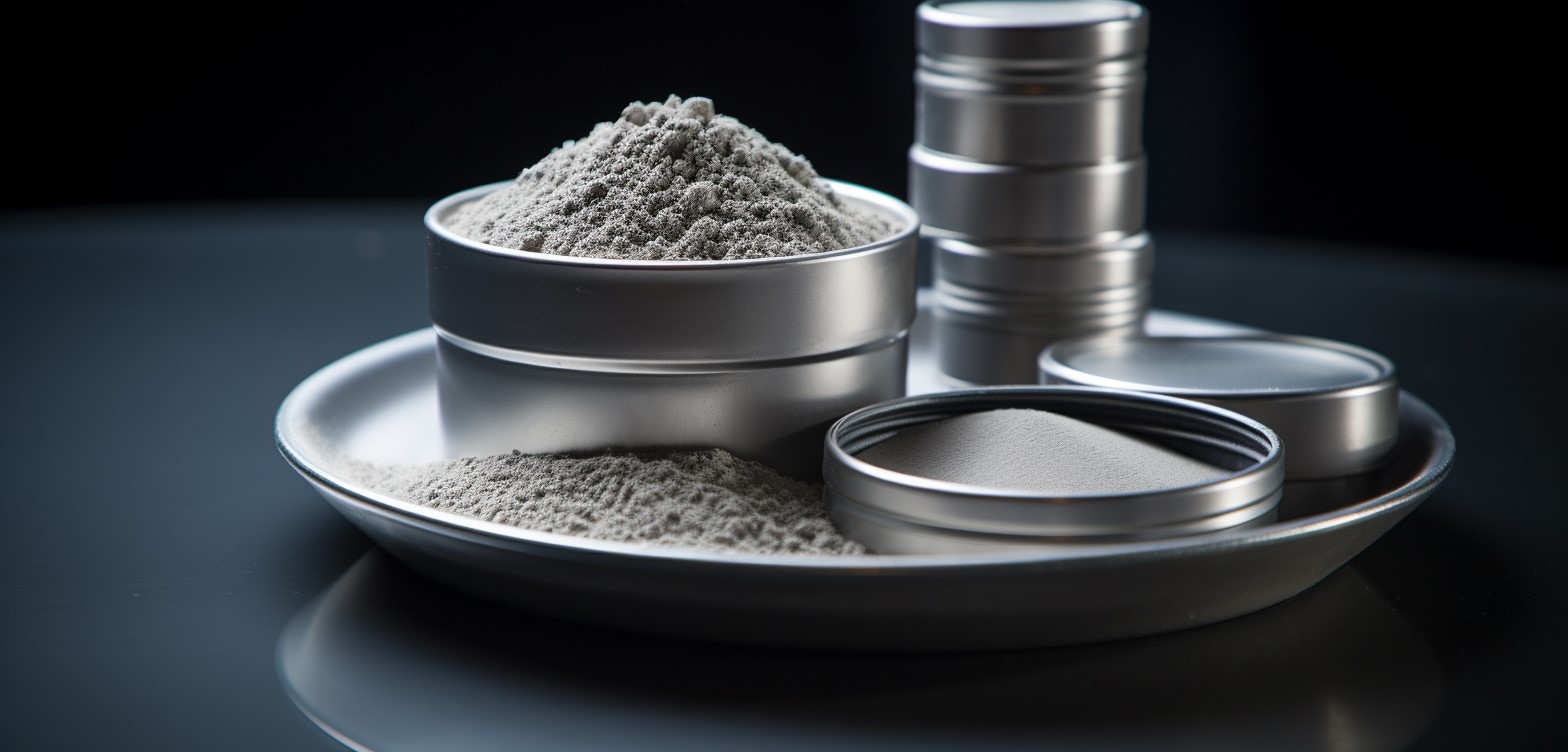
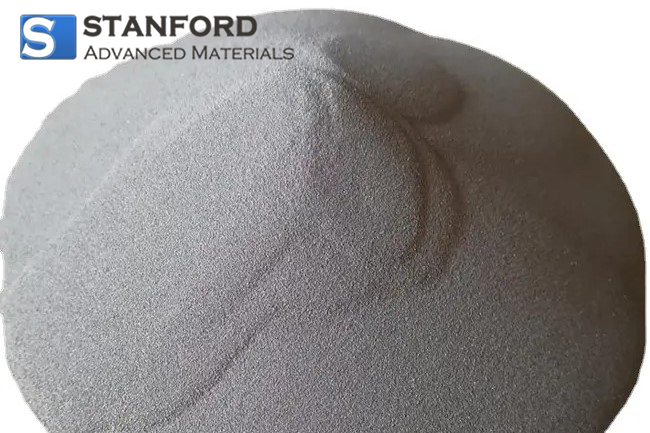
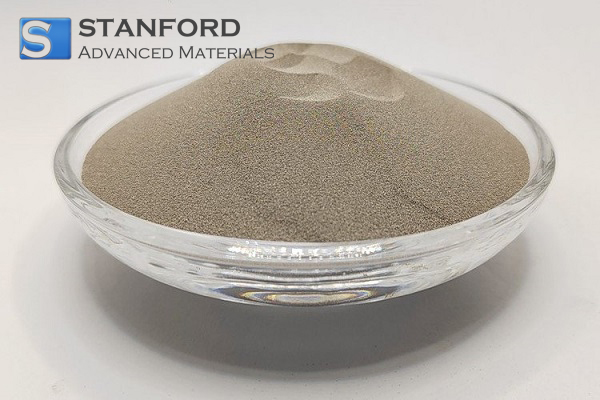
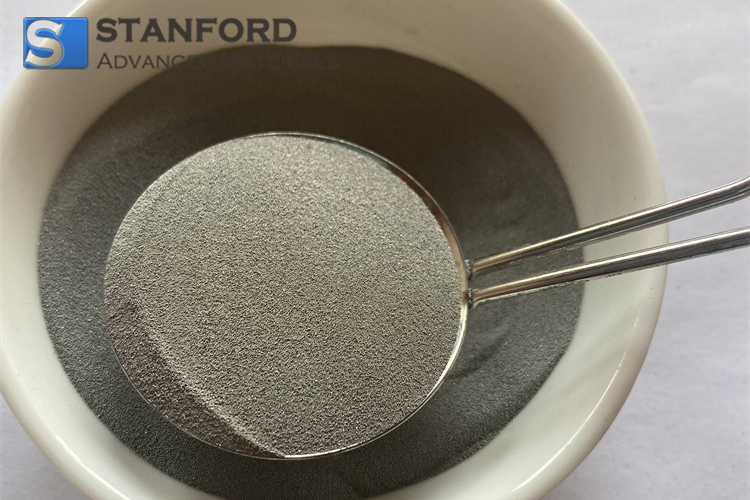
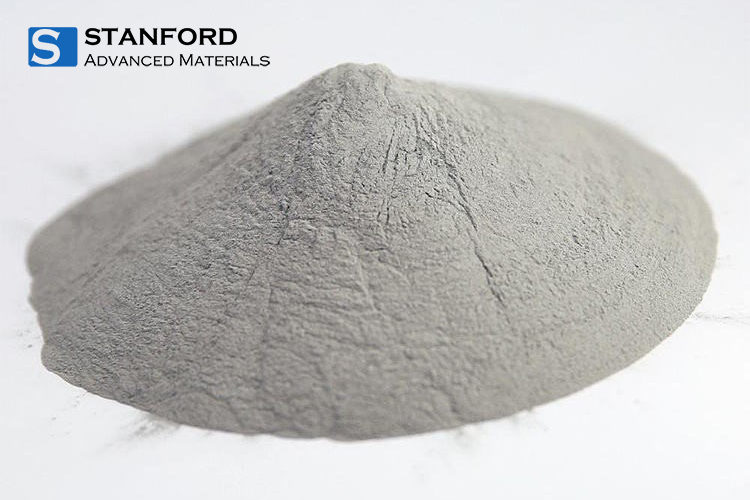
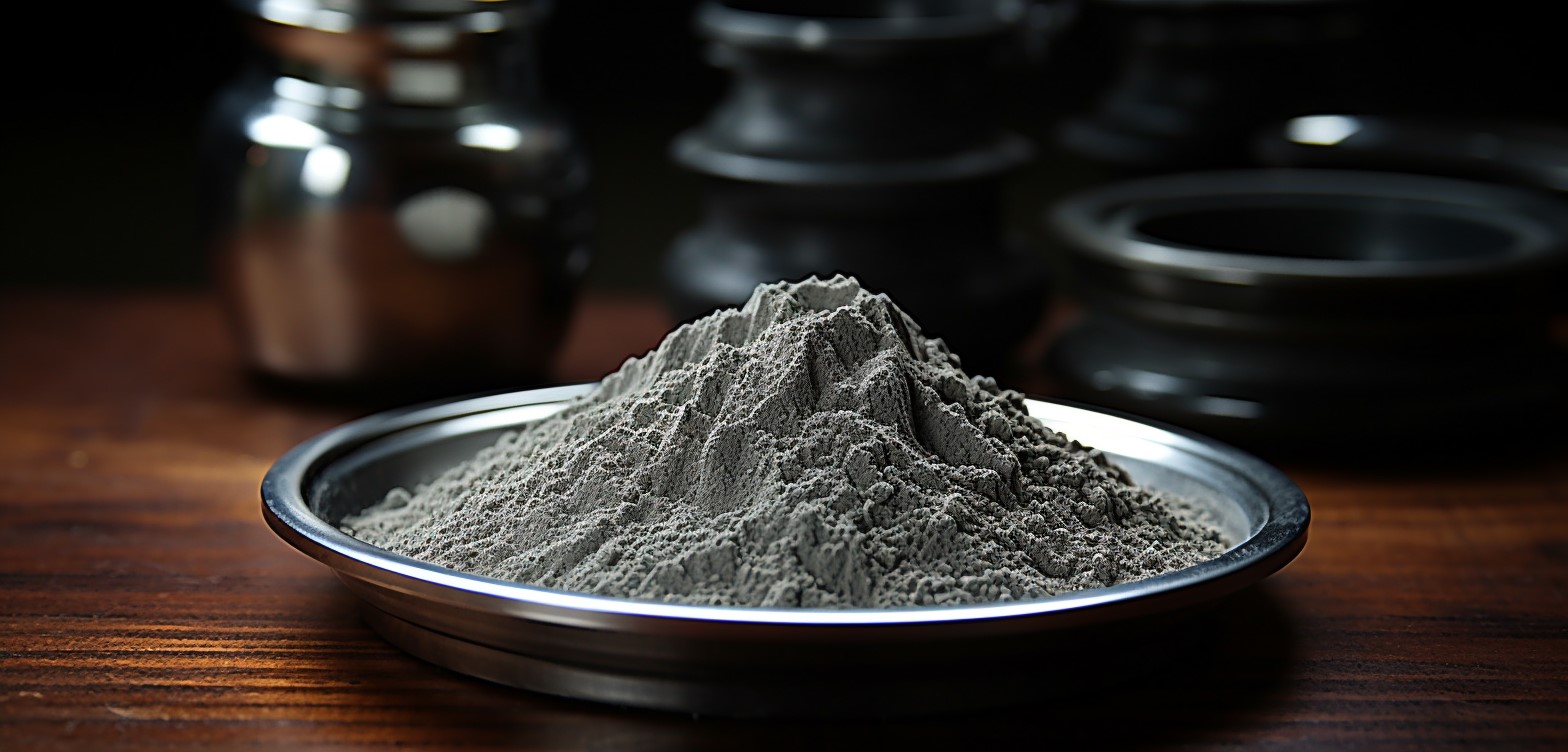
When this alloy is made into powder, its diameter is usually between 15 and 45 micrometers, and the powder particles are highly spherical. They also have excellent flowability and high packing density. This makes the powder an ideal feedstock for additive manufacturing processes like Selective Laser Melting (SLM).
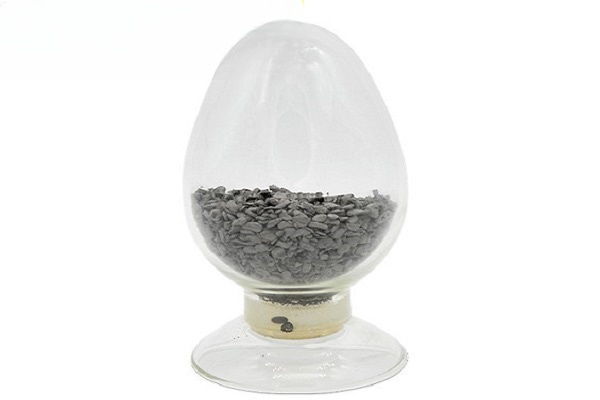
Chemical Composition and Key Properties of 17-4PH Stainless Steel Powder
The outstanding properties of 17-4PH come from its precise chemical design:
- Chromium (Cr): 15.0% ~ 17.5%. It mainly provides good corrosion resistance.
- Nickel (Ni): 3.0% ~ 5.0%. It enhances toughness and corrosion resistance.
- Copper (Cu): 3.0% ~ 5.0%. It works with Niobium and Tantalum. They precipitate age-hardening phases during heat treatment, which increases hardness and strength.
- Carbon (C): ≤ 0.07%. It maintains strength while avoiding brittleness from high carbon content.
- Manganese (Mn): ≤ 1.00%. It helps improve toughness.
- Silicon (Si): ≤ 1.00%. It improves castability.
- Niobium + Tantalum (Nb+Ta): 0.15% ~ 0.45%. They further enhance properties.
By adjusting the heat treatment, 17-4PH can be produced in various conditions. These range from the annealed H900 condition to the over-aged H1150 condition. Its tensile strength can be adjusted from over 1000 MPa (H900 condition) to about 800 MPa (H1150 condition). It also maintains sufficient toughness.
Compared to traditional cast or forged materials, 17-4PH powder offers unique advantages in additive manufacturing:
- Microstructural Uniformity: The rapid solidification process creates fine microstructures inside powder particles. It also reduces composition segregation. Parts made by SLM usually have a more uniform and dense microstructure than traditional methods.
- Near-Net-Shape Capability: It can directly create parts with complex internal channels, lightweight lattice structures, or integrated features. This is difficult to achieve with traditional machining.
- Performance Consistency: With optimized printing parameters and proper heat treatment, 3D-printed 17-4PH parts can meet or even exceed the mechanical properties of forged standards.
What is 17-4PH Stainless Steel Powder Used For?
17-4PH stainless steel powder is widely used in many fields because of its excellent overall properties.
- Aerospace: It makes brackets, fixtures, engine manifolds, and drone components. These applications require high strength and moderate corrosion resistance.
- Medical Devices: It is used for surgical tools, orthopedic guides, dental instruments, and implant prototypes. It benefits from its biocompatibility (under certain standards), high strength, and sterilizability.
- Industrial Sector: It is used for pump housings, impellers, valve parts, and mold inserts. These applications require materials that can withstand high mechanical stress and some corrosive environments.
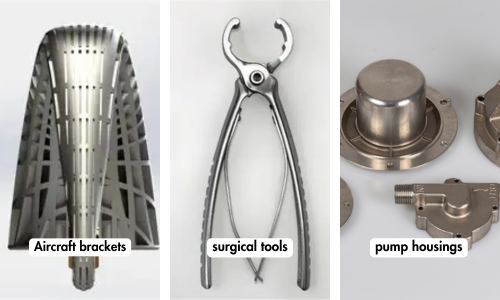
Stanford Advanced Materials (SAM) has extensive experience in manufacturing high-quality 17-4PH powder and stainless steel powders. Explore more stainless steel powders for additive manufacturing and injection molding.
Frequently Asked Questions (FAQ) about 17-4PH Stainless Steel Powder
1. Q: What does the name "17-4PH" mean?
"17-4" refers to its main alloying elements: about 17% Chromium (Cr) and about 4% Nickel (Ni). "PH" is short for "Precipitation Hardening". This means it gains high strength through a special heat treatment.
2. Q: How does 17-4PH powder achieve high strength?
It mainly uses precipitation hardening heat treatment. During heat treatment, elements like Copper (Cu) precipitate as very fine particles in the metal matrix. These particles effectively block dislocation movement. This greatly increases the material's strength and hardness.
3. Q: Can the performance of 3D-printed (SLM) 17-4PH parts meet forged standards?
Yes, it can. With high-quality powder, optimized printing parameters, and proper heat treatment, SLM-produced 17-4PH parts can achieve a density over 99.5%. Their mechanical properties (like tensile strength and yield strength) can meet or even exceed the requirements for forgings in the ASTM A564 standard.
4. Q: How is the corrosion resistance of 17-4PH stainless steel?
It resists corrosion better than plain martensitic stainless steels, like 420. But it is not as good as molybdenum-containing austenitic stainless steels, like 316L. Its heat treatment condition also affects corrosion resistance. Over-aged conditions (like H1150) usually offer better corrosion resistance.
5. Q: Is 17-4PH powder suitable for medical implants?
It is widely used for surgical tools, guides, and instruments. However, for long-term implants inside the body, titanium alloys (like Ti-6Al-4V) or cobalt-chromium alloys are more common choices. These materials usually offer better long-term biocompatibility and resistance to body fluids.
6. Q: What should I note when machining parts made from 17-4PH powder?
Machine the parts before heat treatment (in the solution-annealed condition). The material is softer and easier to cut at this stage. Machining it in a high-strength aged condition (like H900) will cause severe tool wear. It may also crack the part.
7. Q: Can 17-4PH powder be mixed with other metal powders?
It is strongly not recommended. Mixing different metal powders introduces unknown chemical elements. This can cause unpredictable problems during printing. These include phase changes, cracks, and pores. It will also severely reduce the part's mechanical properties and corrosion resistance.