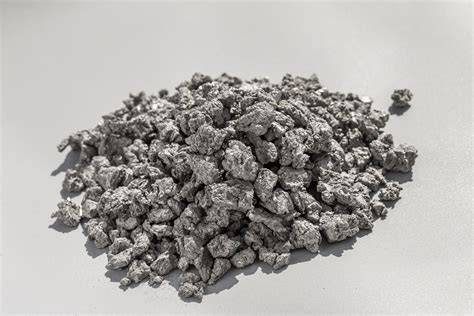
This is a highly advanced and clinically significant field. Antibacterial medical metals, as the name suggests, are a category of metals that possess the ability to inhibit or kill bacteria through the material itself or modification methods, while ensuring biocompatibility. Such materials aim to prevent implant-related infections at the source.
Below are the current main research and application directions, categorized and explained according to their mechanisms for achieving antibacterial functionality.
Intrinsic Antibacterial Metals
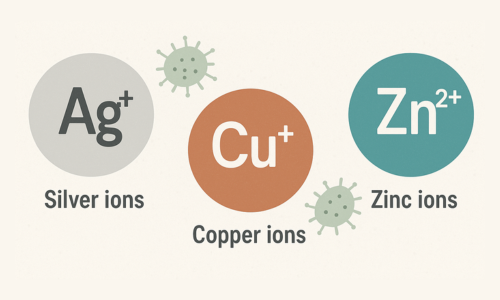
These metals have ions that are inherently toxic to microorganisms, acting through slow release. The key, however, is that the release concentration must fall within the therapeutic window that is both effective in killing bacteria and safe for human cells.
1. Silver
Silver ions can disrupt bacterial cell walls/membranes, interfere with enzyme function, and damage DNA, with a low tendency to induce drug resistance. However, silver is rarely used as the main implant material due to its insufficient strength and potential cytotoxicity at high doses.
Instead, silver is primarily applied as a coating or a minor alloying element for surfaces such as urinary catheters, wound dressings, and orthopedic and dental implants. For example, nano‑silver coatings can be prepared on titanium or cobalt‑chromium alloy surfaces via plasma spraying or magnetron sputtering.
Recommended Products
AG2540 Silver Powder (Ag)
SV4317 Spherical Silver Powder
SV5216 Nano Silver Flake
2. Copper
Similar to silver, copper ions can generate reactive oxygen species that damage bacterial integrity. It is also generally not used as the bulk implant material but as an alloying element. Examples include copper‑containing titanium alloys like Ti‑Cu and stainless steels such as Cu‑bearing 316L. In addition to its antibacterial effect, copper can promote angiogenesis and osteogenesis, offering dual "antibacterial‑osteogenic" functions. It is currently a hotspot in orthopedic implant research.
Recommended Products
CM5196 Spherical Silver Clad Copper Powder. >99.9%
CM1370 Spherical Copper Powder for Thermal Spraying
3. Zinc
Zinc ions can disrupt bacterial membranes and interfere with their metabolism. Like silver and copper, zinc is mainly added as an alloying element, such as in magnesium alloys or titanium alloys. Zinc is not only an antibacterial element but also an essential trace element for the human body. It is also a biodegradable metal that can be safely metabolized or absorbed by the body. This means that such materials (e.g., Mg‑Zn alloys) can serve as implants that provide initial support and later degrade, avoiding the need for removal.
Metals with Antibacterial Function Acquired via Surface Modification
This is currently the most dominant and flexible strategy, which involves constructing an antibacterial layer on the surface of traditional biomedical metals such as titanium and stainless steel.
1. Antibacterial Coatings
Examples include coatings of silver, copper, zinc oxides, or nanoparticles. Beyond these, some organic/polymer antibacterial coatings are also used, e.g., antibiotics, antimicrobial peptides, or quaternary ammonium salts. The challenge of this approach lies in achieving long‑term, controlled release of the drug while avoiding bacterial resistance.
2. Surface Micro/Nanostructuring
Physical methods such as anodization, acid etching, or laser processing are used to create specific micro‑ or nano‑scale topological structures (e.g., needle‑like, pillar‑like) on the metal surface. These sharp microstructures can directly pierce bacterial cell membranes, achieving a physical bactericidal effect. This is a purely physical mechanism that is less likely to induce drug resistance and offers long‑lasting efficacy.
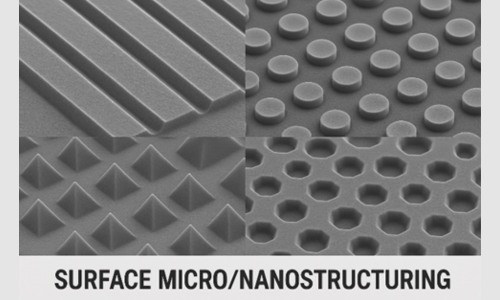
This method is widely studied for dental and orthopedic implant surfaces, for instance, forming nanotubes or micron‑scale pit structures on titanium implant surfaces.
Antibacterial Alloys
As mentioned above, silver, copper, and zinc are used as alloying elements in medical implants. The resulting alloys are termed antibacterial alloys, where antibacterial elements are directly integrated into the metal matrix through compositional design.
1. Copper‑Bearing Stainless Steel
Adding an appropriate amount of copper to conventional 316L stainless steel, followed by aging heat treatment, allows copper to be uniformly distributed as nano‑precipitates. These nano‑phases can continuously and slowly release copper ions after implantation, providing long‑term, stable contact antibacterial capability.
2. Copper‑/Zinc‑Containing Titanium Alloys
Examples include Ti‑6Al‑4V‑5Cu or Ti‑3Cu. The addition of copper not only imparts excellent antibacterial properties but also enhances the alloy's strength and wear resistance, achieving synergistic optimization of "mechanical performance‑biocompatibility‑antibacterial activity."
3. Degradable Antibacterial Magnesium Alloys
Antibacterial elements such as silver, copper, zinc, or gallium are added to the magnesium alloy matrix. As the material degrades, antibacterial ions are released simultaneously, avoiding the need for secondary implant removal while providing continuous infection prevention. This is particularly suitable for temporary fixation in open fractures or infection‑prone sites.
Summary
Table 1. List of Antibacterial Medical Metal Materials
|
Category
|
Representative Materials
|
Antibacterial Mechanism
|
Advantages
|
Challenges
|
|
Intrinsic Antibacterial Metals
|
Silver, Copper, Zinc
|
Ion release, disrupting bacterial structures
|
Broad‑spectrum, high efficacy
|
Narrow cytotoxic window; precise release‑rate control required
|
|
Surface Modification
|
Silver/copper coatings, antibiotic coatings, micro‑/nanostructures
|
Ion release, drug release, or physical piercing
|
High flexibility; can impart antibacterial properties to conventional materials
|
Long‑term coating stability, drug resistance, structural wear
|
|
Novel Antibacterial Alloys
|
Copper‑bearing stainless steel, copper‑containing titanium alloys
|
Sustained, slow release of antibacterial ions from the matrix
|
Stable, long‑lasting antibacterial effect; overall optimization of mechanical properties
|
Complex alloy design; long‑term in vivo metabolic data need accumulation
|
Antibacterial medical metal materials have evolved from simple coating technologies to a stage of systematic innovation through alloy design and surface engineering. The ultimate goal is to equip implants with durable protective armor under the premise of ensuring human safety, thereby significantly reducing surgical infection risks at the source and improving healthcare quality.







 Powder.jpg)

.png)