Titanium sponge powder and spherical titanium powder, even though they're both mostly made of titanium, are actually used at totally different stages in manufacturing. That means their roles — and what they're good for — couldn't be more different.
What is Titanium Sponge Powder? How is it Made?
Alright, so let's talk about titanium sponge powder.

The name comes from what it's made from — something called "titanium sponge." This sponge form is actually the main industrial product when you're making pure titanium in large quantities.
How Is Titanium Sponge Powder Made
People use something called the Kroll process. Basically, they take magnesium metal and use it to break down titanium tetrachloride gas — and they do this under really high heat in an environment with no oxygen. What they get isn't liquid titanium, but a kind of brittle, porous solid that looks and feels like a sponge.
That's where the name comes from.
Features of Titanium Sponge Powder
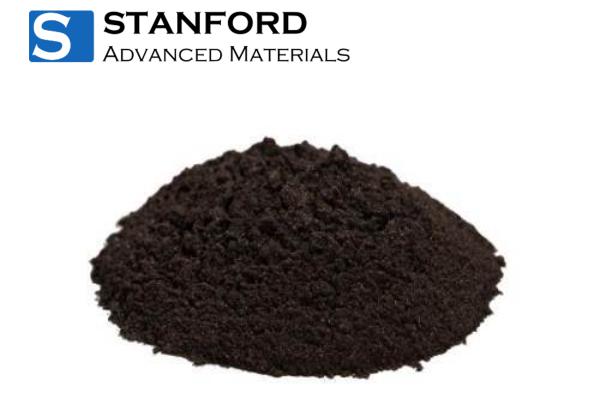
Then, they take that sponge titanium, crush it up, and grind it — and that's how you get titanium sponge powder.
Because it comes from that spongy stuff, the powder has some of the same traits:
- What it's made of: It's mostly titanium — like over 99% — but it still has tiny leftover bits from the process, like magnesium and chlorine. And because it's so full of tiny holes and has a lot of surface area, it easily picks up oxygen and nitrogen from the air. That means those impurities end up in the powder too.
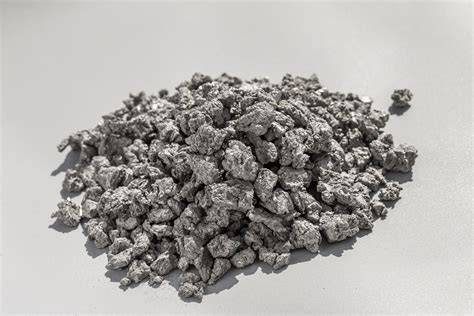
- What it looks like: The particles aren't smooth or round. They're rough, jagged, kind of angular, and still pretty porous inside.
- What it's used for: Mainly, it's used as a raw material for making metal. Most of it gets pressed into electrodes, melted down in a special furnace (a Vacuum Arc Remelting furnace), and turned into solid, pure titanium blocks called ingots. During that melting step, a lot of the unwanted stuff burns off.
It's also sometimes added to steel or used to make filters and other things that don't need to be super strong.
But generally, you wouldn't use titanium sponge powder to make high-performance parts directly — it's more of a starting material than a finished one.
What is the Titanium Metal Powder Used for 3D Printing?
Okay, now let's talk about the other type — the titanium metal powder you hear about in high-tech fields, especially for metal 3D printing (Additive Manufacturing).
This isn't the sponge stuff — this is high-purity, super round titanium or titanium alloy powder.
Differences between Titanium Sponge Powder and Spherical Titanium Powder
They don't start with sponge titanium for this. Instead, they begin with already-melted and purified titanium or alloy blocks (called ingots).
To turn it into powder, they use methods like atomization — basically breaking the liquid metal into tiny drops that cool into round particles. A few common ways include:
- Plasma Rotating Electrode Process (PREP): They spin a titanium alloy rod really fast and melt the tip with a plasma arc. The melted metal flies off and cools into little spheres.
- Gas Atomization (GA) or Electrode Induction Melting Gas Atomization (EIGA): They melt the titanium and then blast it with a high-speed jet of argon or another inert gas. That breaks the stream into fine droplets, which cool into powder — all in a controlled, oxygen-free environment.
- Plasma Atomization (PA): They feed titanium wire into plasma jets, which melt and atomize it in one go.
Read more: Preparation and Application of Titanium Powder
Why Do All This?
The goals are pretty clear:
1. Extremely High Purity:
Since they start with clean ingots and keep everything under inert gas, they can keep impurities — especially oxygen and nitrogen — super low. That's a must for things like aerospace parts or medical implants, where materials have to meet strict standards.
2. Nearly Perfect Spheres:
The powder comes out almost perfectly round and smooth. That makes it flow easily and pack tightly, which is key for spreading thin, even layers during 3D printing.
3. Controlled Particle Size:
They can make powder in specific size ranges — like 15–53 microns or 45–106 microns — depending on the printer and the part being made.
So this spherical titanium powder is really like the "ink" for advanced manufacturing.
It's used in laser or electron beam 3D printers to make complex, high-precision parts — things like aerospace engine components, custom medical implants (knee joints, skull plates), and top-end car parts.
It's also used in other methods, like Metal Injection Molding, for mass-producing small, detailed titanium components.
Stanford Advanced Materials (SAM) delivers premium, atomized metal alloy powders for commercial and industrial clients, including spherical titanium powder, spherical tantalum powder, and niobium powder.
In Summary: What's the Real Difference?
At its core, the difference comes down to where these powders fit in the supply chain.
• Titanium sponge powder is a "primary raw material" — it's an intermediate product in metal production, mainly melted down to make solid titanium blocks (ingots).
• Spherical titanium powder, on the other hand, is an "advanced engineered material" — it's made from those same ingots, but processed into a precision powder that's ready for high-end manufacturing.
They're different in almost every way:
- Purity (especially oxygen and chlorine levels)
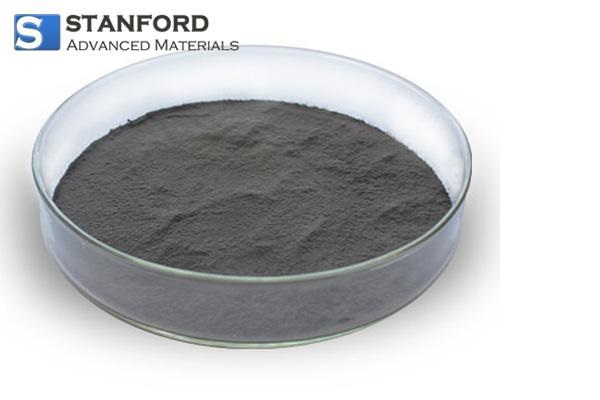
- Particle shape (sponge powder is rough and porous; spherical powder is smooth and round)
- How they behave in production (like how well the powder flows)
- And, of course, what they're used for.
In today's manufacturing world, spherical titanium powder isn't just processed from sponge powder — it's a big step up.
Think of it as turning a basic metal product into a high-tech material that makes cutting-edge fabrication possible.







 Powder.jpg)