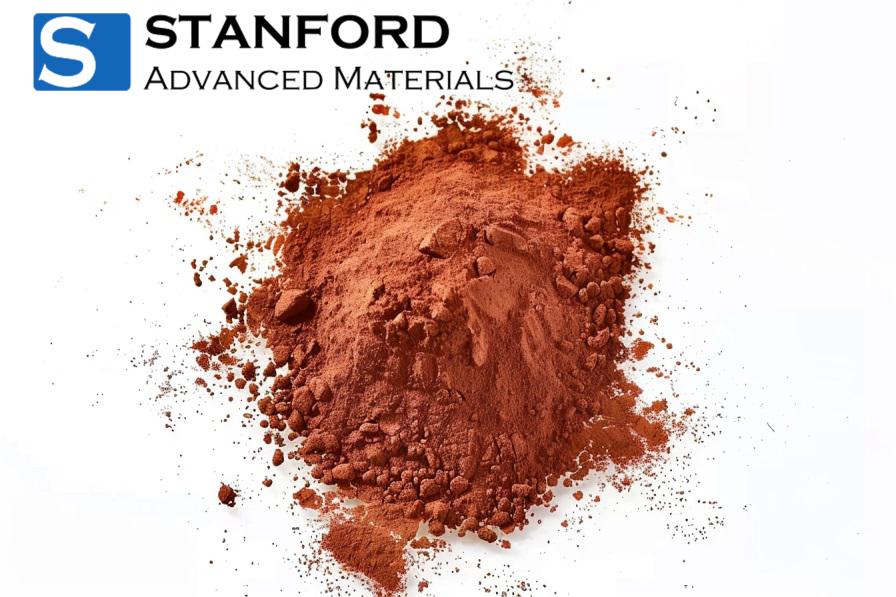
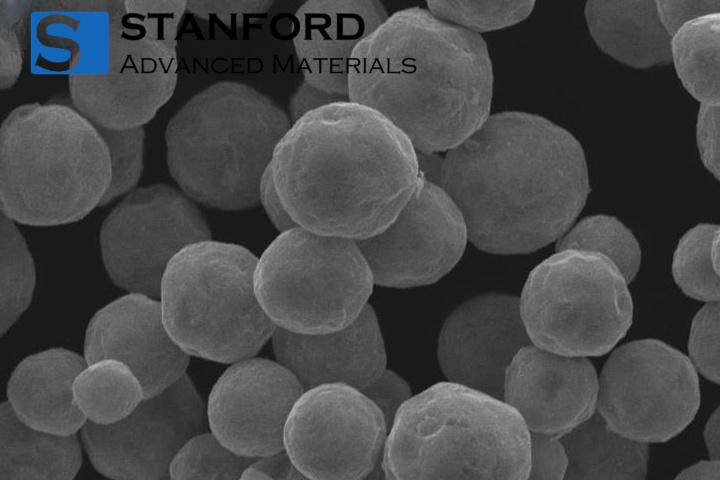
Nano copper powder—copper particles measuring between 1 and 100 nanometers, or about one ten-thousandth the width of a human hair—is transitioning from a laboratory material to one of strategic importance for shaping the future of technology. This assumes significance not only due to the intrinsic superiority of copper as one of the oldest metallic materials, but also due to its remarkable properties when reduced to a nano-material.
Nano Copper Powder vs. Conventional Copper Powder
When materials go nanoscale, the number of surface atoms remarkably increases, and characteristic changes take place in their optical, electrical, thermal, and catalytic properties. The case of nano copper powder aptly demonstrates this.
In electrical and thermal applications, nano copper retains copper's excellent conductivity. However, the extremely high surface area, along with the quantum confinement, facilitates the sintering process at a relatively low temperature. In this manner, by utilizing nano copper paste, it is possible to create very conductive channels by the use of the printing technique at a temperature well below the copper melting point. This provides a game-changing solution to the requirements of flexible electronics, wearable tech, printed circuit boards, or even future chip interconnections, which, as it is, face the challenge of expensive silver or micron copper powders, which must be processed under high temperature and pressure.

In optics and catalysis, nano copper powder has active properties that cannot be found in bulk copper. Nano copper powder has a surface plasmon that assists in absorbing or scattering certain light waves efficiently. Thus, it has potential applications in biosensing, photothermal therapy, or high efficiency in solar absorbers. Additionally, due to its high surface activity, it acts as a good catalyst that boosts reactions for efficiently converting carbon dioxide into valuable fuel or chemicals to meet carbon neutrality targets.
Nano Copper Powder Enables Key Technologies
Some of the unique attributes of nano copper powder position it as an enabling material in several identified future-focused areas.
In electronics and information technology, as devices get smaller, interconnects have rising resistance and heat buildup. Nano copper powder and related pastes would be perfect for high-density, low-power 3D integrated packaging. They are also a feasible alternative in lower-cost, flexible displays and touchscreens for transparent conductive films.
Nano-copper plays several roles within an energy revolution. It is a high-performance Li-ion and future solid-state battery material, both as an anode material and as a conductive additive for improving its charging speed and capacity. And it is the key constituent of highly active and efficient catalysts in the process of water splitting for hydrogen energy. In solar cells, the photothermal properties of nanostructured copper can be used within new thermophotovoltaic devices, allowing the utilization of more of the solar spectrum.
Regarding the biomedical application frontier, it is understood on the biomedical front that nano copper is biomedically famous due to its antibacterial properties. In particular, its anticancer properties are linked to its photothermal transduction mechanism. Also on the biomedical application frontier, its biocompatibility qualifies it to be applied in medical delivery.
In the area of green manufacturing and protecting the environment, the nano copper catalyst can be useful in promoting various chemical reactions at lower temperatures and lower costs. It can also be effective in the degradation of organic compounds for the purification of water and air.
Stanford Advanced Materials (SAM) offers high-purity Nano Copper Powder at the most competitive price.
Challenges and Outlook of Nano Copper Powder
Although nano copper powder has such potential, several obstacles have to be overcome before this material can be largely incorporated on an industrial scale and have a huge impact on future technology.
The main obstacle is to produce this material in a cost-effective, eco-friendly, and controlled manner regarding the size and purity of particles. Moreover, nano copper is also vulnerable to oxidation when exposed to air. To retain the stability and efficiency of this material, suitable encapsulation strategies have to be developed. Moreover, concrete and comprehensive studies are required regarding its migration and transformation in biological and natural environments to develop reliable risk management and assessment strategies.
Looking ahead, as synthesis methods advance, surface modification techniques improve, and interdisciplinary collaboration deepens, nano copper powder is poised to evolve from a "wonder material" into a foundational material supporting tomorrow's society. It may become invisibly integrated into smarter electronics, cleaner energy systems, more advanced medical treatments, and more sustainable industrial processes.