Introduction
When it comes to 3D printing, not all metal powders are created equal. Spherical aluminum silicon alloy powders are the go-to materials for industries like aerospace, automotive, and robotics, thanks to their lightweight nature, great flowability, and solid strength. But herein lies the thing: just because two powders look the same, that does not mean they act the same. Silicon content, heat treatability, and overall composition play a huge role in how they act in the printer and in the final part.
Think of it like choosing the right tool for the job. You would not use a sledgehammer to drive a nail; that is just too much overkill. So, how do you go about choosing the right type of aluminum alloy powder for your project? Below, we break down three of the most common options-AlSi10Mg, AlSi12, and AlSi7Mg-so you can decide which one fits your needs.
AlSi10Mg Powder: The Workhorse for High-Strength 3D Printing
If you've been around 3D printing for a while, you've definitely heard of AlSi10Mg. It’s basically the industry standard—the “trusty pickup truck” of aluminum powders.
Why Everyone Uses AlSi10Mg?
That 10% silicon content makes it flow like a dream in the printer, so you get clean, dense prints with very few hiccups.
The added magnesium means you can heat-treat it to squeeze out even more strength—kind of like putting a performance chip in your engine.
After printing, parts come out with a fine-grained structure that holds up well under stress and fatigue.
What’s Inside (%)
|
Si |
Cu |
Ni |
Zn |
Mg |
Fe |
Mn |
Ti |
O |
|
9.0-11.0 |
≤0.05 |
≤0.05 |
≤0.10 |
0.2-0.45 |
≤0.55 |
≤0.45 |
≤0.15 |
≤0.08 |
|
Particle Size |
0-45μm, 0-53μm, 15-45μm, 15-53μm, 20-63μm, 45-105μm |
|||||||
The Numbers (As-Printed / After Heat Treating):
- Tensile Strength: ~330 MPa / 400+ MPa
- Yield Strength: ~230 MPa / 300+ MPa
- Elongation: 5-8% (a bit lower after heat treat)
- Printability: Excellent—great first choice if you’re not sure.
Where AlSi10Mg Excels
Strong, reliable structural parts. Think brackets, housings, engine components, and functional prototypes. If you need good all-around performance without overcomplicating things, start here.
AlSi12 Powder: The Smooth Operator for Complex Parts & Heat Management
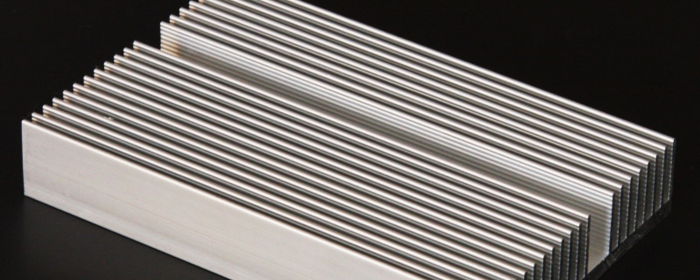
Need to print something super intricate or that needs to shed heat fast? Meet AlSi12.
The Sweet Spot for Printing
With about 12% silicon, this alloy hits a “sweet spot” in its chemistry that lowers its melting point. This makes it incredibly forgiving to print—less warping, less cracking, just smooth sailing.
That same chemistry also makes it a heat dissipation champ. It’s one of the best aluminum options for thermal performance.
Downside? It’s not as strong as AlSi10Mg, especially if you’re planning to heat-treat it. The trade-off is printability for ultimate strength.
Composition (%)
|
Mg |
Fe |
Mn |
Zn |
Si |
Cu |
Ti |
O |
Al |
|
≤0.1 |
≤0.7 |
≤0.5 |
≤0.1 |
10.0~13.0 |
≤0.3 |
≤0.2 |
≤0.08 |
Bal. |
|
Particle Size |
0-45μm, 0-53μm, 15-45μm, 15-53μm, 20-63μm, 45-105μm |
|||||||
The Numbers (As-Printed / After Heat Treating):
- Tensile Strength: 250 - 300 MPa
- Yield Strength: 150 - 200 MPa
- Elongation: 6-10% (pretty good!)
- Thermal Conductivity: High (~180-200 W/m·K)
Target Applications of AlSi12
Heat sinks, cooling channels, manifolds, and any part with crazy-thin walls or fine details. Also perfect for making casting patterns. Choose this when easy printing and thermal performance are your top priorities.
AlSi7Mg Powder: Optimized for High Ductility and Toughness
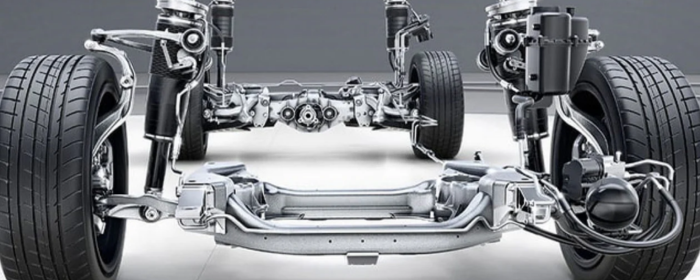
When your part needs to bend, not break, AlSi7Mg (similar to common casting alloys like A356) is your guy.
Built for Toughness
A lower amount of silicon (about 7% AlSi7Mg alloy composition) indicates it is less brittle. The components made of AlSi7Mg material are able to withstand more impacts before eventually failing.
It still has enough magnesium to respond well to heat treatment, giving you a nice strength boost when you need it.
The catch? It can be a tiny bit more finicky to print perfectly than AlSi10Mg, but the payoff in toughness is often worth it.
What’s Inside (%):
|
Al |
Si |
Mn |
Zn |
Mg |
Cu |
Ti |
Fe |
|
Bal. |
6.5-7.5 |
≤0.1 |
≤0.10 |
0.50-0.8 |
≤0.50 |
≤0.20 |
≤0.2 |
The Numbers (After Heat Treating):
- Tensile Strength: 300 - 350 MPa
- Yield Strength: 230 - 280 MPa
- Elongation: 8-12% (This is the key advantage)
- Toughness: Excellent
Where AlSi7Mg Excels
Safety-critical parts that take a beating. Think auto and aerospace components like suspension parts, brackets, or housings that face vibration and shock. Choose this when you need strength plus the ability to flex.
Which One Should You Pick?
Here’s the simple breakdown:
1. Need maximum strength and a reliable, all-purpose print? → Go with AlSi10Mg. It's the safe bet that works great for most projects.
2. Printing something super complex or that needs to handle heat? → Go with AlSi12. Its printability and thermal performance are top-notch.
3. Making a part that has to be tough and durable, not just hard? → Go with AlSi7Mg. You’ll sacrifice a little ultimate strength for much better ductility and impact resistance.
It all comes down to your #1 priority. Figure out what matters most for your part, and the choice gets a lot easier.
At SAM, We've Got You Covered
No matter which alloy is the right fit for your next project, Stanford Advanced Materials (SAM) produces premium, spherical aluminum powders that deliver consistent results print after print. We control the specs tightly so you can focus on designing great parts.
Ready to dive deeper? Check out our full Aluminum Alloy Powder lineup here for datasheets and specs.
Want to see all your metal powder options for 3D printing? Grab our free Spherical Powder.
Reading more:
Comparison of 4 Spherical Aluminum Alloy Powders: AlSi10Mg vs. 6061 vs. 7075 vs. 2024
AlSi7Mg Powder: A Key Aluminum Alloy for 3D Printing
Aluminum vs. Magnesium Powder: Which is Better for Lightweight Applications
4 Production Processes for Aluminum Powder