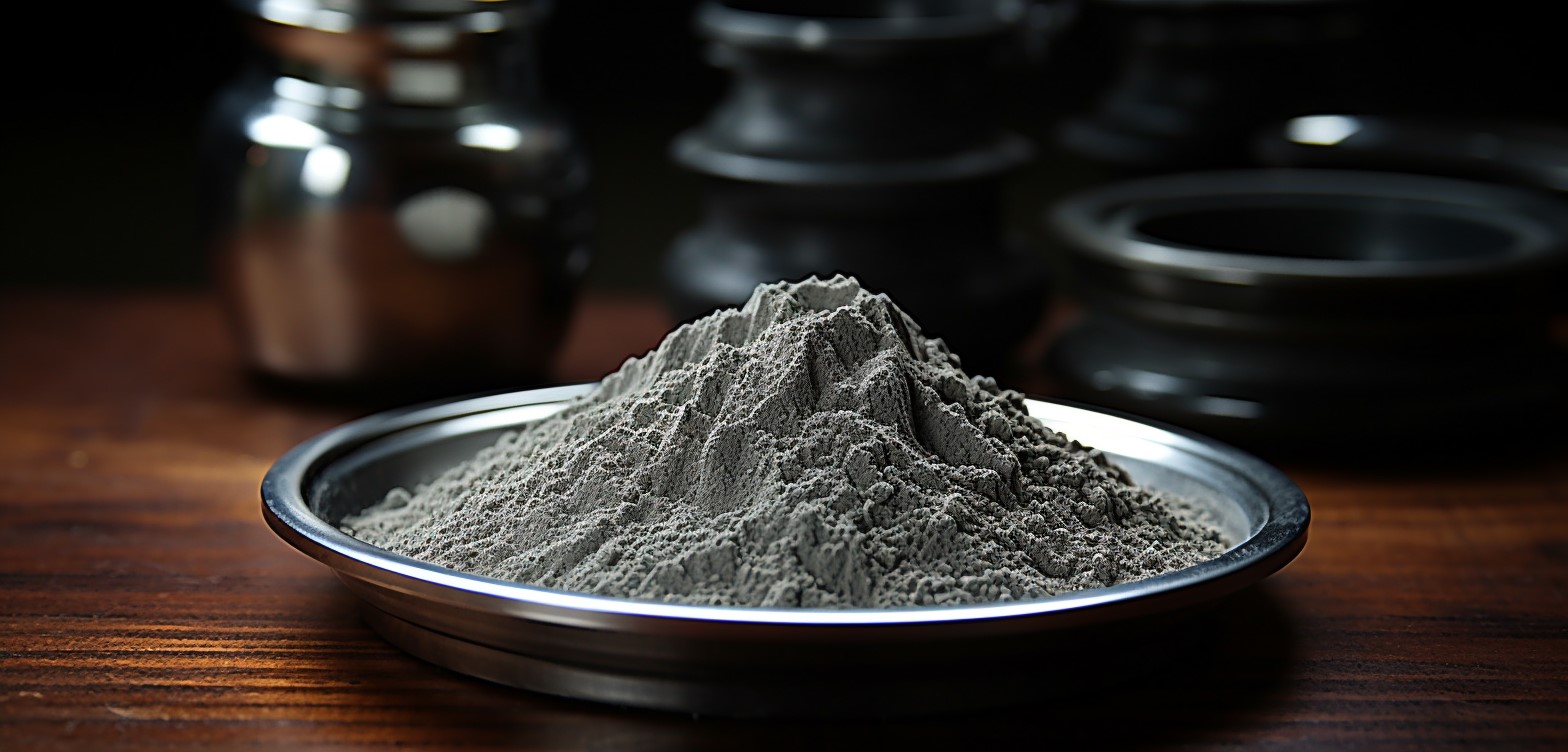
Vanadium carbide powder is a big deal in a lot of high-tech industries. It’s used everywhere from materials science and metallurgy to ceramics and more. What makes it so popular? It’s ridiculously hard, can handle crazy high temperatures, and stays chemically stable no matter what. Simply put, this stuff is tough—it doesn’t back down under heat or pressure.
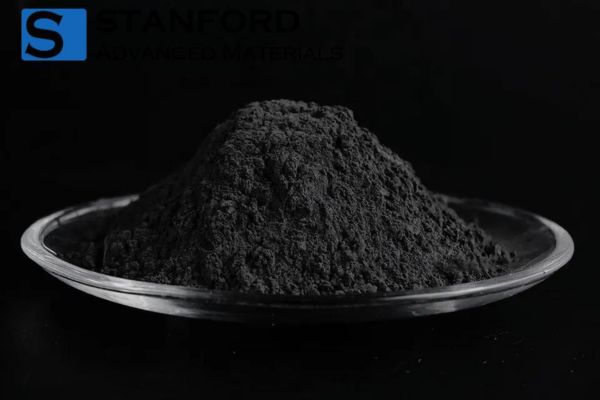
Why Is Vanadium Carbide So Special
Vanadium carbide is incredibly hard—only diamond and cubic boron nitride can beat it. That's why it's perfect for things like cutting tools and abrasive materials. On top of that, its melting point is a blazing 2850°C, meaning it won't break down even in extreme heat. Chemically, it's also pretty chill and doesn't react much, which makes it ideal for harsh conditions.
How is Vanadium Carbide Powder Made
There are a few common ways to produce it, each with its own benefits:
1. Vapor Deposition: This is a go-to method because it lets engineers fine-tune the size and shape of the powder particles. By adjusting the temperature and gas mix, they can customize the powder for different applications.
2. Solid-State Reaction: This is a more straightforward approach—basically, heating a mix of vanadium and carbon until they react. It's simpler but needs serious high-temperature equipment and high-purity ingredients.
3. Solution-Based Methods: A newer, more high-tech route. It starts with liquid chemical precursors and, through careful heating, turns them into a fine, super-uniform powder. Great for getting consistent quality.
Applications of Vanadium Carbide Powder
Vanadium carbide powder has many uses.
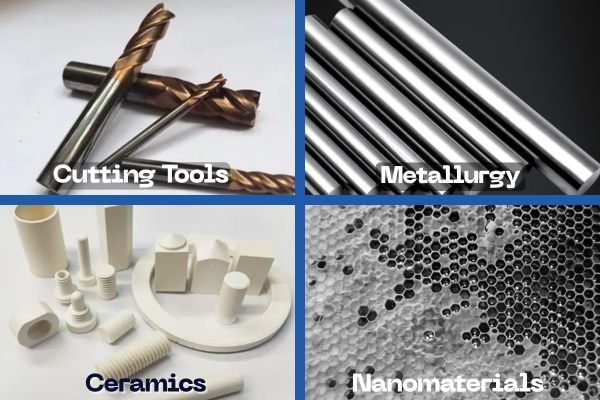
1. Cutting Tools
Its high hardness and wear resistance make it perfect for producing all kinds of blades, drill bits, and similar tools. Thanks to these properties, the tools not only work more efficiently but also hold up longer when cutting or shaping metals, plastics, and other materials.
2. Metallurgy
Vanadium carbide is a top-notch additive for introducing vanadium into steel and specialty alloys. Using pure vanadium metal directly is expensive and makes the whole process more complicated. That’s why vanadium carbide powder is the go-to choice — it’s stable, gives you a high yield, and is easy to measure and control when adding it in. Its biggest use is in high-strength, low-alloy steels. Just by mixing in a small, precise amount of the powder (usually between 0.05% and 0.15% vanadium) into molten steel, you can seriously boost the steel’s performance.
3. Ceramics
Because it can handle really high temperatures, it’s great for reinforcing ceramic composites, which makes them stronger and more heat-resistant. You’ll find these advanced ceramics in everything from aerospace and cars to electronics.
4. Nanomaterials
In nanomaterials, vanadium carbide powder is a hot research topic. At the nano scale, it shows outstanding electrical and thermal conductivity, making it promising for electronic devices and energy storage. Researchers are exploring its use in lithium-ion batteries, capacitors, and other next-gen energy devices.
Conclusion
All in all, thanks to its unique properties and broad potential, vanadium carbide powder holds an important place in materials science and engineering. Whether in cutting tools, metallurgy, ceramics, or emerging fields like nanomaterials and energy storage, it shows strong promise.
FAQs
Q: Is vanadium carbide expensive?
The cost depends on the production method, purity level, and particle size. For standard industrial grades used in tools or steel, it's more affordable. The high-end stuff for specialized research or electronics tends to cost more. For specific pricing, please send us your inquiry: Inquiry to Stanford Advanced Materials
Q: Can it replace diamond in tools?
Not fully—diamond is still harder, but it’s a great option for many high-wear applications.
Q: Is it safe to handle?
Generally stable, but always use proper PPE when handling fine powders to avoid inhalation.
Q: Where can I buy it?
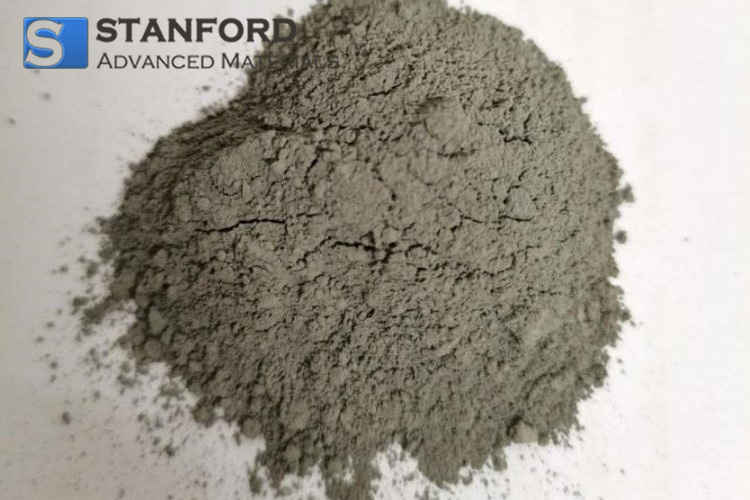
Stanford Advanced Materials (SAM) offers gray vanadium carbide powder with a cubic crystal structure. Visit this page for product details. You can also reach out directly to SAM for more information.








.jpg)