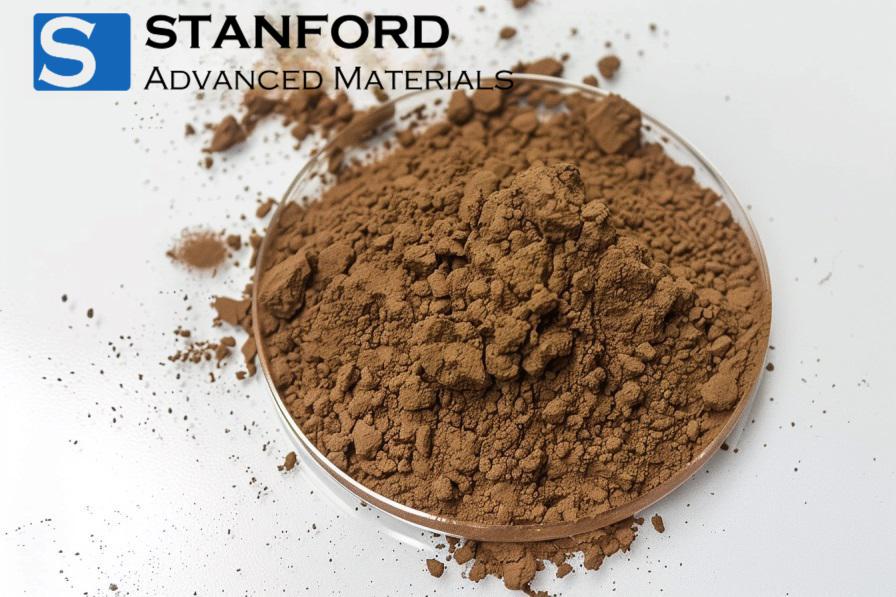
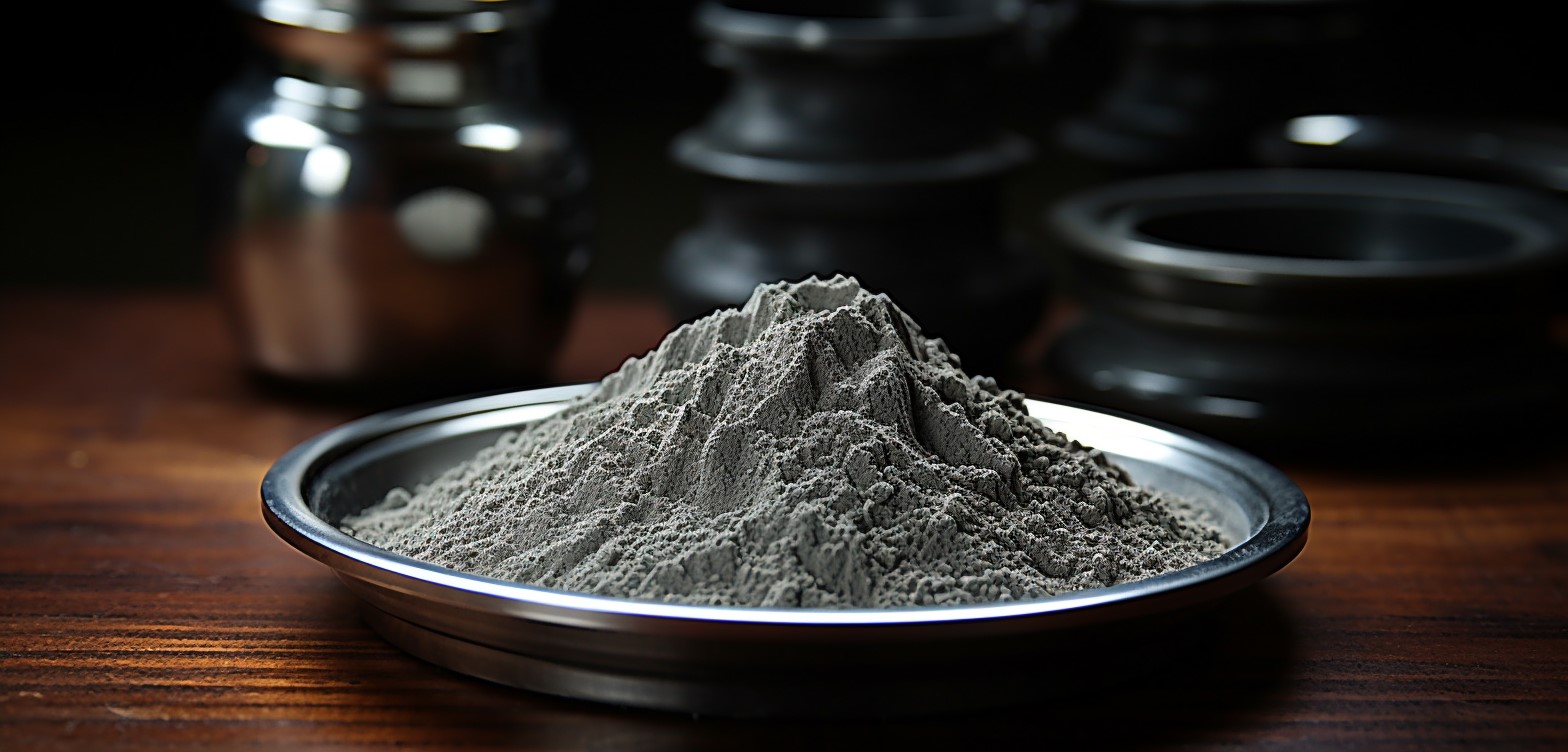
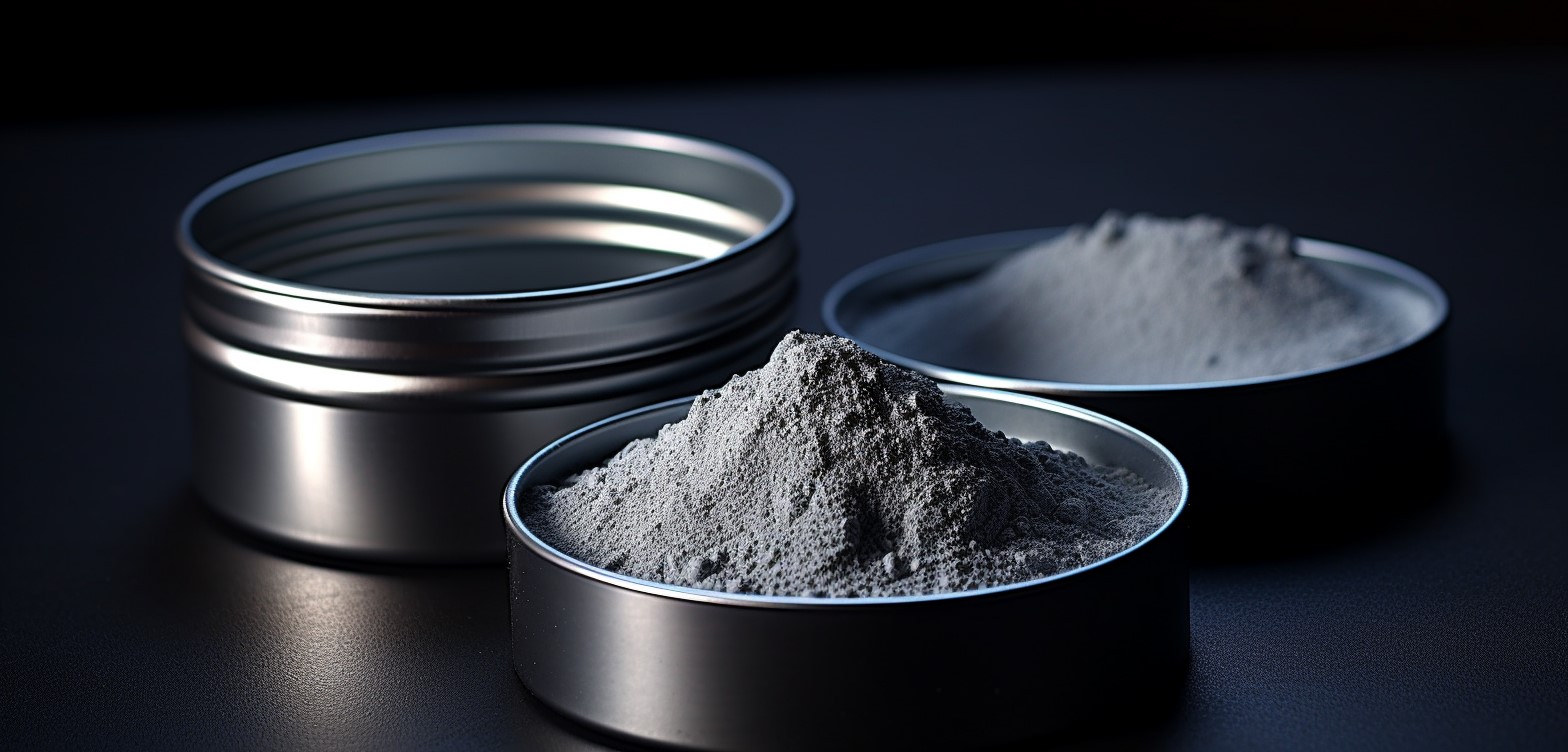
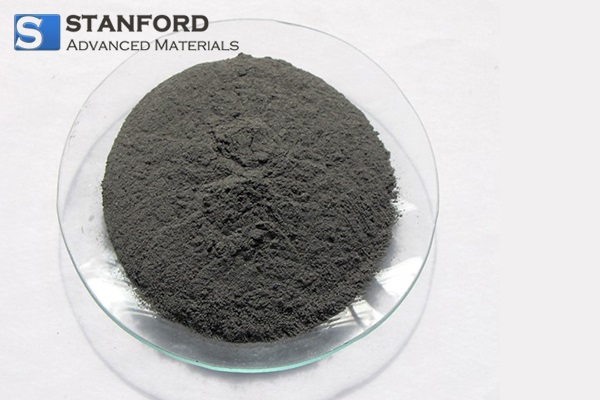
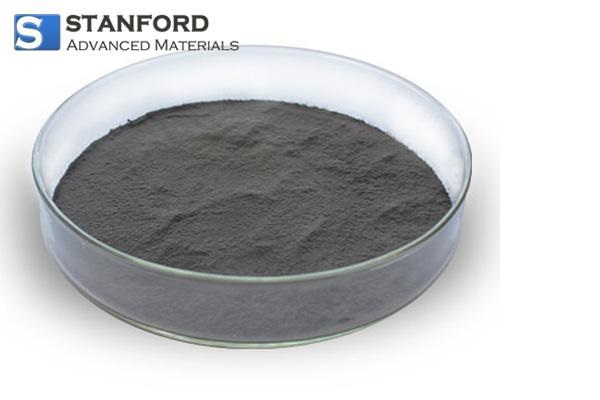
Currently, the tantalum powder family includes capacitor-grade, metallurgical-grade, and spherical tantalum powders, each produced through distinct manufacturing processes.
How to Prepare Capacitor-Grade Tantalum Powder
Capacitor-grade tantalum powder refers to high-purity metallic tantalum powder specifically designed for manufacturing tantalum electrolytic capacitors. It demands both a high specific surface area and extremely low levels of impurities, including sodium, potassium, iron, nickel, and chromium.
Sodium reduction of potassium fluorotantalate is presently the predominant industrial process used to produce tantalum powder that satisfies capacitor-grade specifications. And its basic concept is first to purify the tantalum raw material into high-purity potassium fluotantalate (K₂TaF₇), and then reduce it to metallic tantalum powder using metallic sodium.
This reaction must be conducted under a very controlled inert atmosphere. Potassium fluotantalate is homogenously blended with a carefully measured diluent (e.g., KCl, NaCl) and then sealed in a closed reactor and heated to 800-1000°C. Liquid metallic sodium is then slowly and uniformly added, starting the core reaction: K₂TaF₇ + 5Na → Ta + 5NaF + 2KF.
The diluent here is crucial to play. Not only does it serve as a heat buffer for the uptake of reaction heat and process control, but also as a microscopic scaffold that physically separates the precipitated tantalum particles to prevent sintering and densification. The generated tantalum powder thereby guides the formation of a spongy structure filled with internal nanopores and cracks.
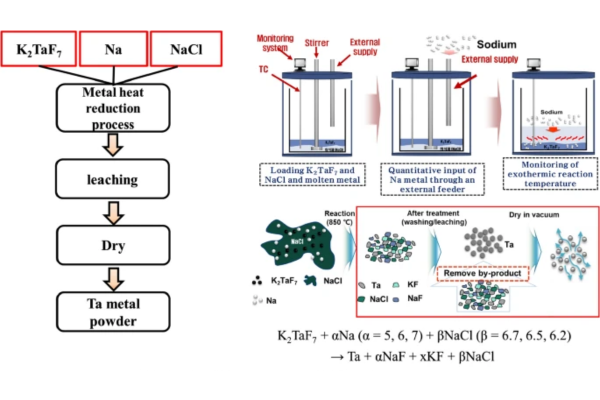
Fig 1. Sodium reduction of potassium fluorotantalate[1]
The "reduction cake" obtained after the reaction is cooled, crushed, and purified through washing to become primary sponge tantalum powder. To meet the high demands of modern capacitors, this powder must subsequently undergo vacuum heat treatment to reduce oxygen content and be precisely doped with elements such as phosphorus and nitrogen to stabilize its electrical performance.
How to Prepare Metallurgical-Grade Tantalum Powder
Metallurgical-grade tantalum powder is primarily used as an additive in manufacturing superalloys, wear-resistant components, and sputtering targets. Unlike capacitor-grade powder, it focuses more on chemical purity and sintering activity, with less demand for complex pore structures.
Currently, there are two main production routes. One is also the sodium thermal reduction method, and this method is similar to that used for capacitor-grade powder but involves less stringent process controls. Typically, the amount of diluent is reduced, allowing a more complete reaction, resulting in coarser tantalum powder particles with lower specific surface area and lower cost.
Additionally, the Molten Salt Electrolysis is another mature process. And it involves dissolving raw materials like potassium fluotantalate in a high-temperature molten salt bath and then passing a direct current through it. Under the electric field, tantalum ions are gradually deposited onto the cathode, forming dendritic or needle-like metallic tantalum. The powder produced by this method is of very high purity and has a unique morphology, making it very suitable as a strengthening phase additive for superalloys.
How to Prepare Spherical Tantalum Powder
The two preparation methods mentioned above, sodium thermal reduction and molten salt electrolysis, cannot directly produce spherical powder, but they accomplish the purification. Therefore, high-purity spherical tantalum powder can be obtained simply by transforming the irregular morphology into a spherical one. Plasma spheroidization technology is one such method. It feeds the raw material – high-purity, irregular tantalum powder – into a high-temperature plasma torch. The powder particles are instantaneously heated to complete melting, forming tiny droplets. Under the influence of extremely high surface tension, these droplets spontaneously contract into the most energetically stable form – spheres. The spherical droplets are rapidly cooled and solidified by a high-speed cooling gas during flight, ultimately retaining their spherical shape. Plasma spheroidization can produce high-purity, highly spherical, dense powder and is currently the mainstream method for producing high-performance spherical tantalum powder.
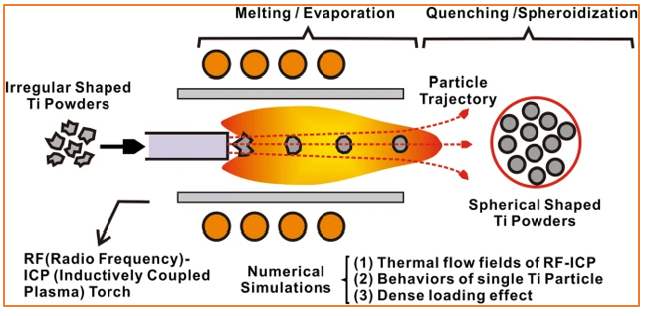
Fig 2. Plasma spheroidization technology
The Plasma Rotating Electrode Process (PREP) differs from plasma spheroidization. It does not modify irregular powder but directly produces spherical powder from a high-purity, dense tantalum metal rod. The tantalum rod acts as a consumable electrode, its tip melted by a plasma arc while rotating at very high speed. Centrifugal force throws off the molten droplets, which spheroidize and solidify into spheres. Powder produced by PREP exhibits extremely high purity and excellent sphericity, but the process is very costly and has low production efficiency.
Conclusion
In summary, the preparation of tantalum powder is tailored to its specific application, employing distinct methods like sodium reduction, electrolysis, and advanced spheroidization techniques. For capacitor-grade or 3D printing tantalum powders, please contact Stanford Advanced Materials (SAM).
[1] Kolosov, V.N., Orlov, V.M., Miroshnichenko, M.N. et al. Preparation of tantalum powders via the sodium reduction of potassium heptafluorotantalate heat-treated in air. Inorg Mater 51, 116–121 (2015). https://doi.org/10.1134/S0020168515010070







-Alloy-Powder.jpg)