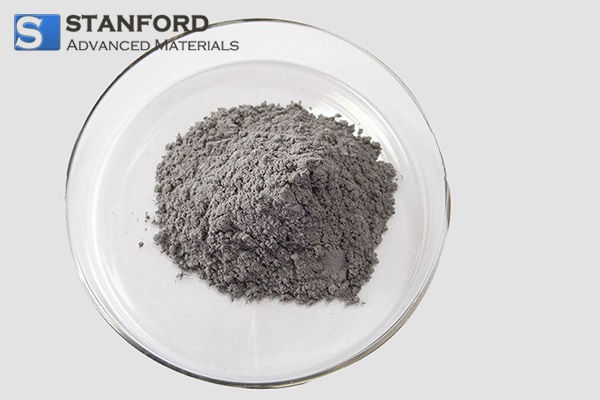
Tantalum Carbide Powder Introduction
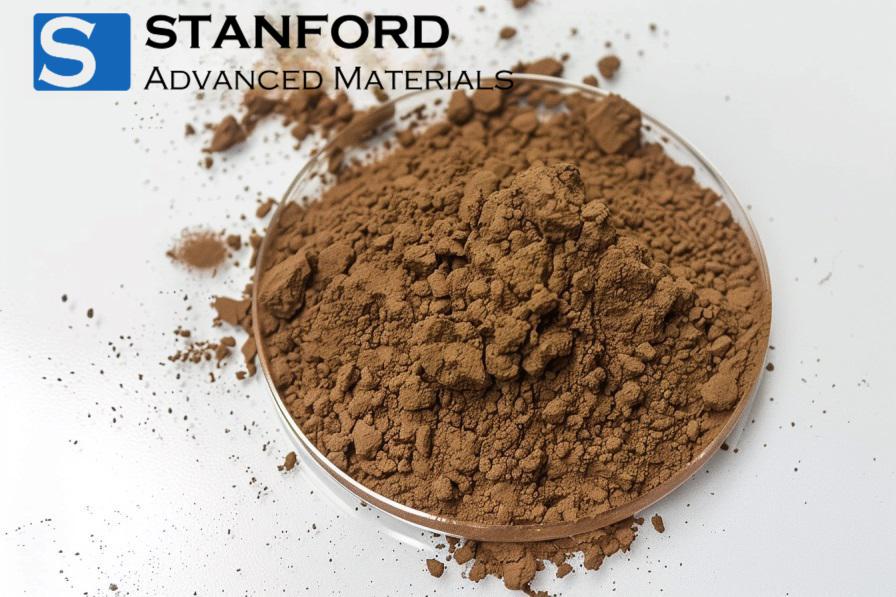
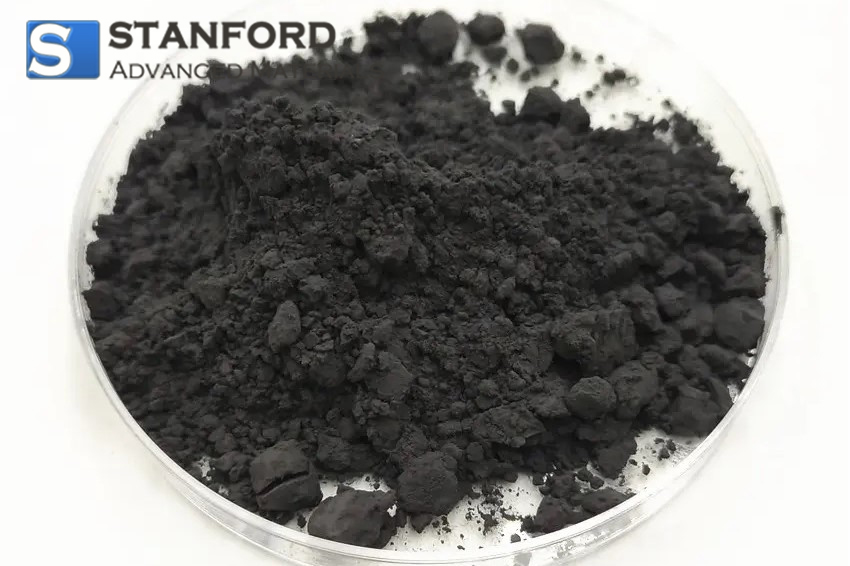
Tantalum carbide is a brown, hard refractory ceramic material. The TaC powder is hard, brittle, and exhibits high thermal and electrical conductivity. It is processed through sintering and enhances oxidation resistance, hot hardness, and temperature strength in steel processing. Our tantalum carbide powder is supplied in minimal grain sizes and is often used in deposition and evaporation processes and in applications where high surface areas are desired.
TaC can be used to improve hard metal cutting tools which are quite important due to their uses in growth markets such as the automobile and aerospace. Tantalum niobium carbides make big contributions toward improvements in oxidation resistance, hot-hardness, and high-temperature strength besides resistance to crater wear during the processing of steels. Thanks to their thermal conductivity, they also increase resistance to thermal cracking, which can occur due to thermal shock effects during milling, for example.
Tantalum Carbide Powder Specification
|
Impurities
|
TaC-1
|
TaC-2
|
TaC-3
|
|
TaC(%)
|
≥99.5
|
>99.0
|
>99.0
|
|
Total carbon(%)
|
≥6.20
|
≥6.20
|
≥6.20
|
|
Concentrations (%,≤)
|
Free carbon
|
≤0.10
|
≤0.15
|
≤0.15
|
|
Fe
|
≤0.05
|
≤0.1
|
≤0.20
|
|
Si
|
≤0.008
|
≤0.01
|
≤0.020
|
|
Al
|
≤0.005
|
≤0.005
|
≤0.01
|
|
Ti
|
≤0.008
|
≤0.015
|
≤0.02
|
|
N
|
≤0.025
|
≤0.05
|
≤0.05
|
|
Na
|
≤0.003
|
≤0.005
|
≤0.02
|
|
Ca
|
≤0.005
|
≤0.005
|
≤0.01
|
|
K
|
≤0.003
|
≤0.005
|
≤0.01
|
|
Nb
|
≤0.3
|
≤1.0
|
≤1.0
|
Particle size: 0.5um to 2um.
The chemical composition and the particle size can be customized as your requirements.
Tantalum Carbide Powder Applications
Tantalum carbide powder is used in the following applications:
• Used as tool bits for cutting applications in automobile and aerospace industries.
• Used as a tungsten carbide alloy.
• Used to prevent thermal shock effects during milling due to its ability to increase resistance to thermal cracking.
Tantalum Carbide Powder Alternatives
Carbide particles mainly include tungsten carbide (WC), titanium carbide (TiC), and niobium carbide (NbC).
|
Property
|
Tungsten Carbide (WC)
|
Titanium Carbide (TiC)
|
Niobium Carbide (NbC)
|
|
Chemical Formula
|
WC
|
TiC
|
NbC
|
|
Crystal Structure
|
Hexagonal
|
Face-Centered Cubic (FCC)
|
Face-Centered Cubic (FCC)
|
|
Density (g/cm³)
|
15.6 – 15.8
|
4.92 – 4.93
|
7.78 – 7.82
|
|
Melting Point (°C)
|
~2,870
|
~3,160
|
~3,480
|
|
Microhardness (HV)
|
~2,200 – 2,400
|
~2,800 – 3,200
|
~1,800 – 2,400
|
|
Young's Modulus (GPa)
|
~620 – 700
|
~430 – 450
|
~340 – 380
|
|
Thermal Conductivity (W/m·K)
|
High (~110)
|
Moderate (~21)
|
Low (~14)
|
|
Coefficient of Thermal Expansion (×10⁻⁶/K)
|
~5.2 – 7.3
|
~7.4 – 7.8
|
~6.5 – 7.2
|
|
Oxidation Resistance
|
Moderate (oxidation starts >500-600°C)
|
Excellent (stable at high temperatures)
|
Fair (slightly inferior to TiC)
|
|
Key Characteristics
|
High hardness & toughness, high thermal conductivity, high elastic modulus, excellent wear resistance
|
Very high hardness, good wear resistance, excellent oxidation resistance, lower density
|
Good high-temperature stability, high hardness, commonly used as a grain growth inhibitor in cemented carbides
|
|
Applications
|
1. Cemented carbide tools, molds, mining tools
2. Wear-resistant parts and coatings
3. Dominant hard phase material
|
1. Additive in multi-component cemented carbides (e.g., TiC-based or TiCN-based cermets)
2. Wear-resistant coatings
3. Cutting tool materials for steel machining
|
1. Grain growth inhibitor in cemented carbides (inhibits WC grain growth)
2. Special high-temperature alloys or coatings
3. Multi-component composite ceramics
|
Tantalum Carbide Powder Packaging
Our tantalum carbide powder is carefully handled to prevent damage during storage and transportation and to preserve the quality of our product in its original condition.

Tantalum Carbide Powder Safety Information
|
Signal Word
|
Warning
|
|
Hazard Statements
|
H228
|
|
Hazard Codes
|
F
|
|
Precautionary Statements
|
P210-P240-P241-P280-P370+P378
|
|
Risk Codes
|
R11
|
|
Safety Statements
|
N/A
|
|
RTECS Number
|
N/A
|
|
Harmonized Tariff Code
|
2849.90
|
|
Transport Information
|
UN 3178 4.1/PG III
|
|
GHS Pictograms
|
 |