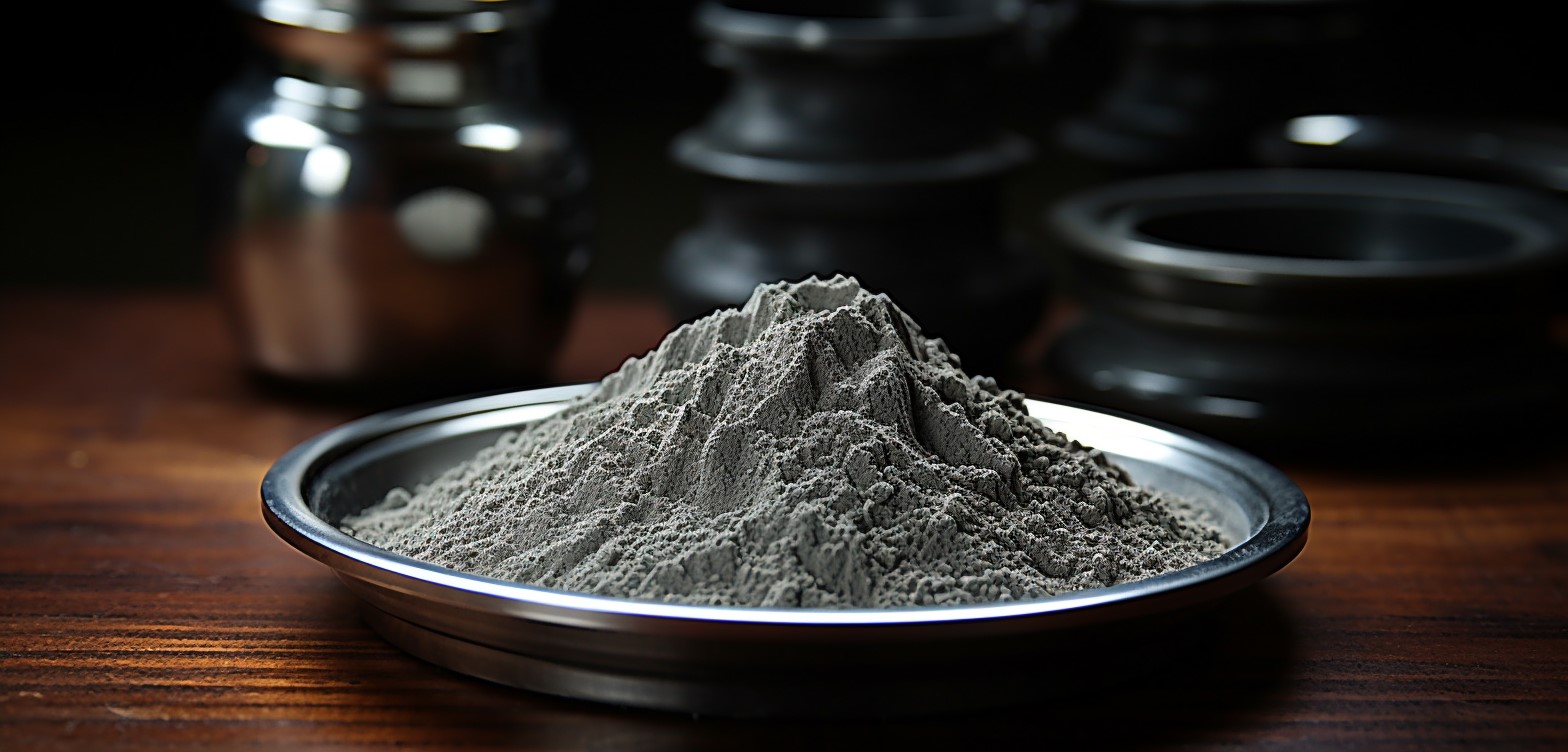
In thermal spray technology, the preferred material used for protecting essential components in extreme conditions includes niobium carbide and tantalum carbide, which are extremely hard and resistant to chemical exposure at high temperatures.
Niobium Carbide and Tantalum Carbide Powders for Thermal Spray
Niobium carbide and Tantalum carbide have ultra-high-temperature ceramic properties and are used in the form of thermal spray coatings. Niobium carbide is notable for its hardness and melting point of above 3500°C, while Tantalum carbide is characterized by its hardness, wear resistance, and stability to corrosion. Due to their properties, both are effectively used as heat shields in different applications.
Key Characteristics
- NbC and TaC have excellent surface protective properties against abrasion, erosion, and sliding wear.
- They offer mechanical strength and resistance to oxidation at temperatures above 1000°C.
- They are resistant to oxidation and corrosion attacks in aggressive chemical or high-temperature environments.
Shape Affects the Effect
But for a long time, one stubborn problem held back their widespread use—the shape of the powder.
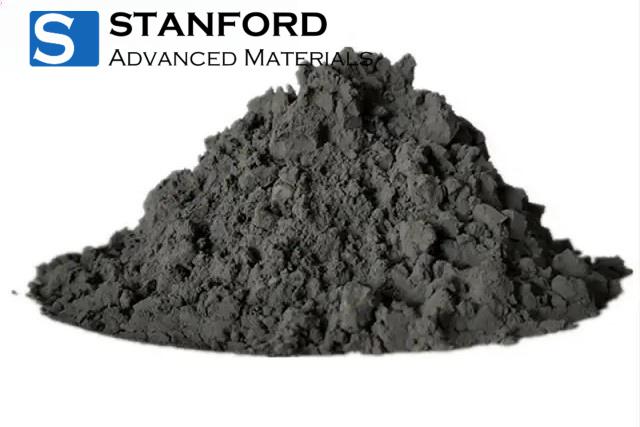
The old, irregular “non-spherical” powders were a constant headache. Their uneven shape and poor flow meant they constantly clogged the feed lines and, most frustratingly, the spray gun nozzle. This forced frequent production stops for cleaning, wrecking efficiency, compromising coating consistency, and driving up costs. Every clog meant downtime and potential quality issues.
The Game-Changer: From Non-Spherical to Spherical
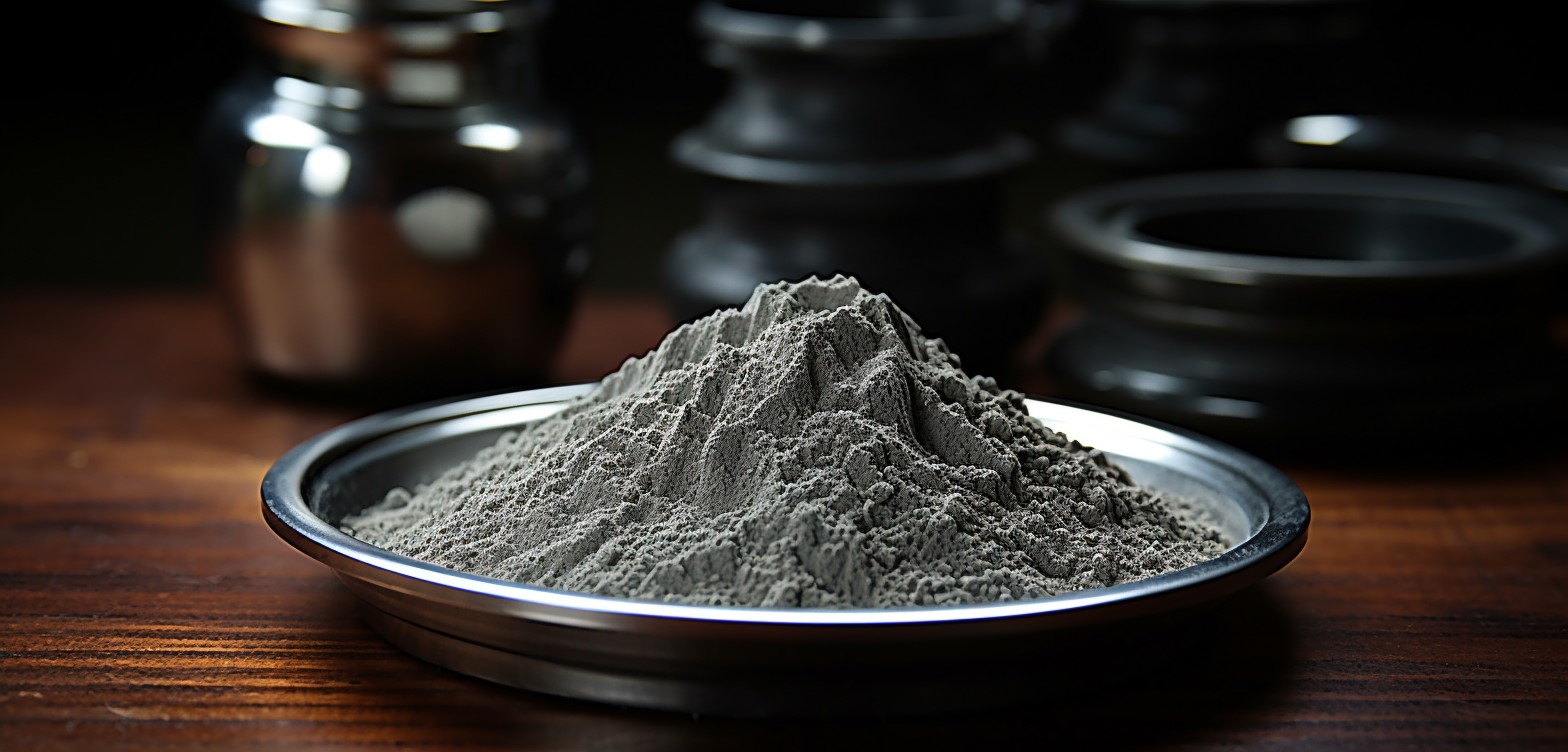
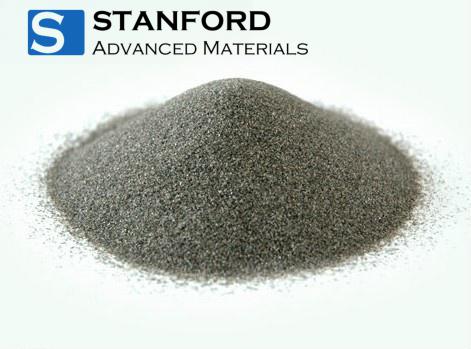
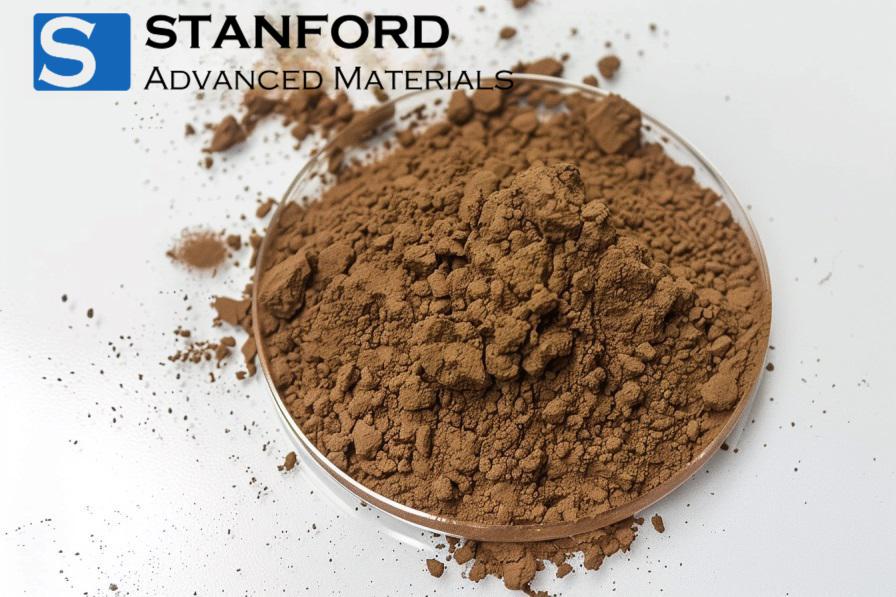
The technology available was the result of developments in powder technology: granulation and spheroidization. Using this technology, it has been possible to convert the fine, raw powders of niobium and tantalum carbide into uniformly sized, highly spherical granules that possess good flow characteristics.
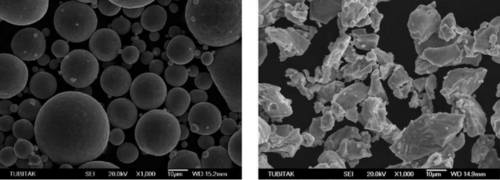
Fig 1. Spherical Powder vs Non-Spherical Powder
Just this one shape change solved several problems:
- Better Flow: The spherical powder has an excellent flow, similar to that of sand in the feeding. This is because it does not clog and jam inside the gun as it used to.
- Uniform Melting: Spherical particles melt uniformly in the plasma or HFO flame, so a more uniform molten material is produced. This equates to a direct result of a denser and more chemically homogeneous material that has better adhesion properties.
- Higher Deposition Efficiency: With stable feeding and proper melting, more of the powder can be deposited on the part.
More Than Just an Unclogged Nozzle
The advantages of spherical granulated powder extend well beyond the simple issue of clogs. They offer an advancement to “spraying ability” and efficient, high-quality spraying.
- Improved Coating Performance: A reduced number of pores and uniform structure improve important characteristics such as wear, corrosion, and thermal shock resistance. Such characteristics play a significant role in specialty products, especially aerospace engine blades and components operating under high temperatures involving chemicals.
- Optimized Process Control: Reliable powder feed is the key to controlled process conditions. With spherical powder, there is precise control over the spraying rate and coating thickness. The entire process is thus more consistent and dependable.
- Enhanced Cost Efficiency: Downtimes, nozzle wear, and material use are directly related to cost efficiency around the globe.
Conclusion
From the problem of repeatedly declogging due to the non-spherical nature of the powder to the efficient process made possible by spherical granules, the process illustrates the intervention of material principles in setting the limits of process improvements. This can be considered more than a physical transformation in the nature of the powder, an important advancement for the thermal spray process.
Advanced Materials (SAM) has rich experience in manufacturing and supplying high-quality Spherical Tantalum Carbide (TaC) and Niobium Carbide for thermal spraying.