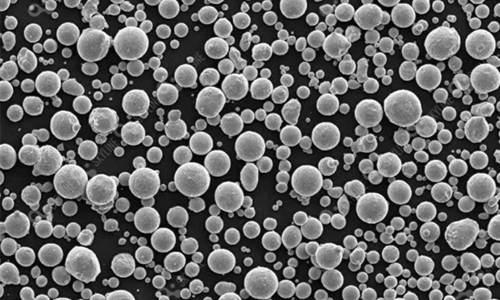
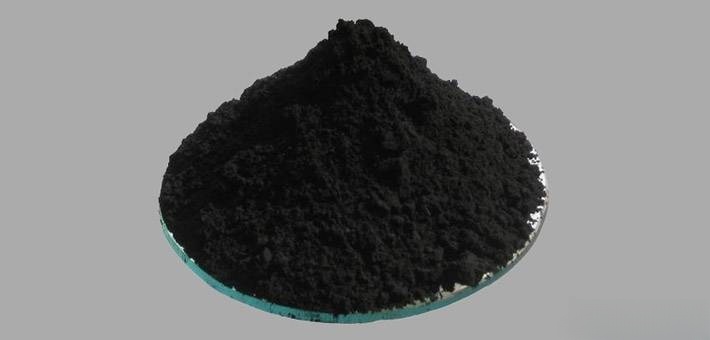
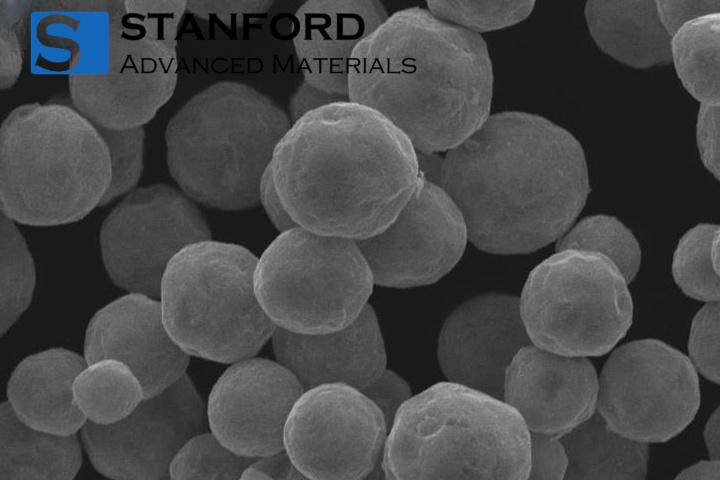
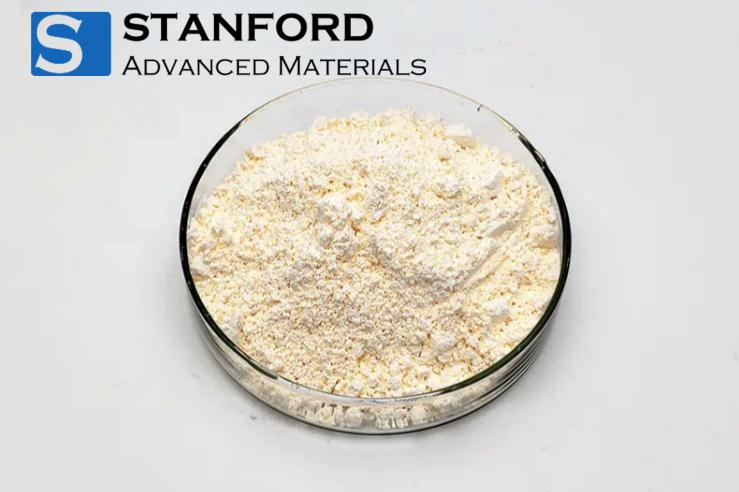
Cathode precursor nickel-cobalt-manganese (NCM) powder is a key "semi-finished" material used to make the positive electrode for lithium-ion batteries. It's a black, micron-sized powder. Chemically speaking, it's a mixture of nickel, cobalt, and manganese hydroxides or oxides. The ratio of nickel (Ni), cobalt (Co), and manganese (Mn) directly determines how the final battery performs. Based on those ratios, there are a few main types on the market: NCM811, NCM523, and NCM622. Let's break down the differences between these three mainstream materials.
Key Specs & Performance Comparison
To save you time, we've put the core specs and performance of these three materials into this table. After the table, we'll walk through each one in more detail.
|
Comparison
|
NCM523
|
NCM622
|
NCM811
|
|
Ni:Co:Mn ratio
|
5:2:3
|
6:2:2
|
8:1:1
|
|
Nickel content
|
50%
|
60%
|
80%
|
|
Cobalt content
|
20%
|
20%
|
10%
|
|
Theoretical specific capacity
|
~160–180 mAh/g
|
~170–190 mAh/g
|
~200–220 mAh/g
|
|
Energy density
|
Baseline
|
Medium
|
Highest
|
|
Thermal stability
|
Best
|
Medium
|
Worst
|
|
Cycle life
|
Longest
|
Medium
|
Shorter
|
|
Cost
|
Lowest
|
Medium
|
Highest
|
|
Manufacturing difficulty
|
Low
|
Medium
|
Very high
|
Note: Actual specific capacity and cycle life numbers vary by manufacturer, process, and test conditions. The table shows typical ranges.
Stanford Advanced Materials (SAM) has extensive experience manufacturing and supplying high-quality cathode precursors (nickel-cobalt-manganese). Contact us for a quote.
NCM523 Cathode Precursor
NCM523 was the first ternary material to be mass-produced at scale, and it's the most mature technology out there.
Pros:
- Great thermal stability – less likely to catch fire
- Long cycle life – doesn't degrade much after years of use
- Mature production process – high yield rates
Cons:
- Limited energy density due to lower nickel content
- EVs using NCM523 batteries typically get around 400 km (about 250 miles) of range, and it's tough to break 500 km (310 miles)
If you care about safety, durability, and bang for your buck, NCM523 is a solid, reliable choice.
NCM622 Cathode Precursor
Compared to NCM523, NCM622 bumps the nickel content up to 60%, which boosts energy density by about 10–15%.
Pros:
- Better range than 523 – can hit 500 km (310 miles)
- Still has decent safety and cycle life
- Cost doesn't go up that much
Cons:
- Thermal stability starts to drop – your battery thermal management system needs to work harder
- Still has 20% cobalt, so it's still affected by cobalt price swings
NCM622 is kind of a transitional product. It strikes a nice balance between range and safety, which makes it a good fit for mainstream household electric vehicles.
NCM811 Cathode Precursor
NCM811 has one of the highest nickel contents among ternary materials in mass production today. It's what people call "high-nickel material."
Pros:
- Extremely high energy density – can easily get 600–700 km (370–430 miles) or even more
- Uses half the cobalt – long-term cost advantage
Cons:
- Worst thermal stability – breaks down and releases oxygen at high temperatures, which creates a thermal runaway risk
- Microcracking gets worse with cycling, so the battery ages faster
- Super strict manufacturing requirements – needs ultra-dry, ultra-clean conditions
NCM811 represents the current ceiling of mass-production technology. But you absolutely need top-tier thermal management and safety protection to go with it.
Conclusion
As technology keeps moving forward, NCM811 and even higher-nickel versions (like NCM90, NCMA, etc.) are gradually becoming the mainstream choice. Why? Because the market's hunger for longer range is outweighing concerns about safety. At the same time, cobalt-free batteries and lithium iron phosphate (LFP) are making a comeback, especially in more budget-friendly EV models. NCM523, on the other hand, is shifting more into applications that don't require super high energy density – like energy storage systems.







 Fluoride Powder.jpg)
 Powder.jpg)