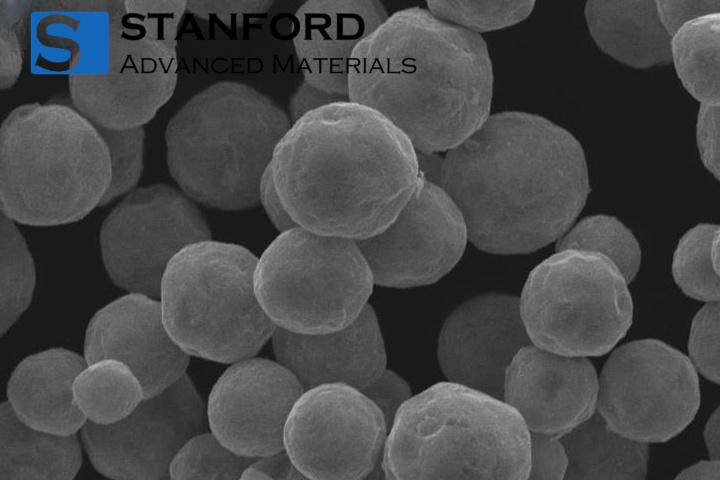
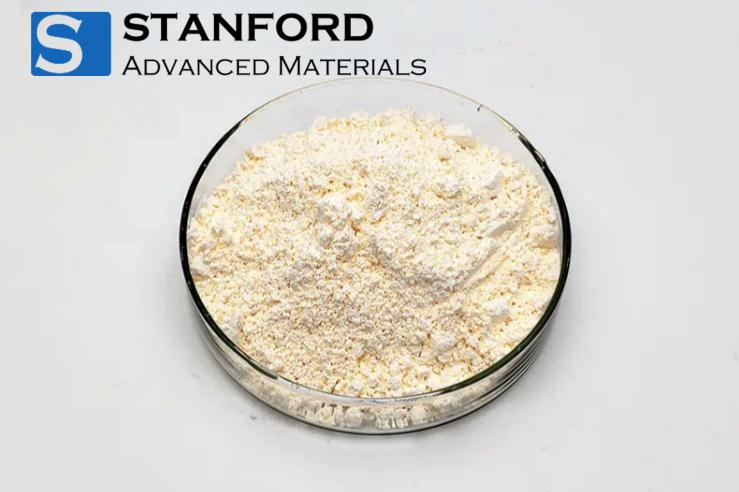
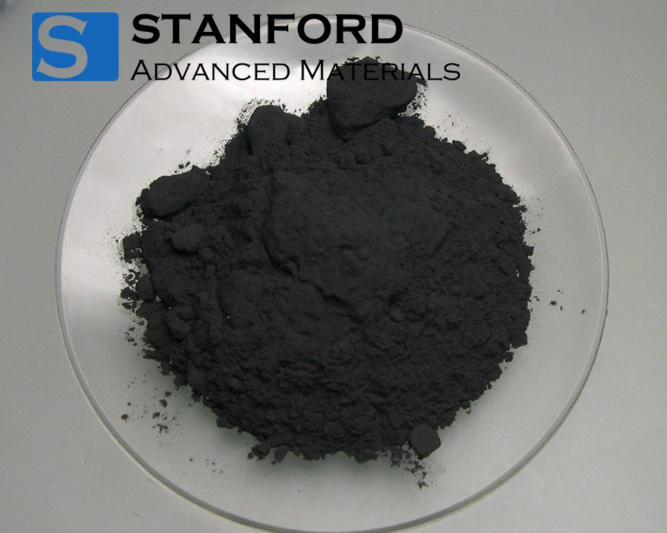
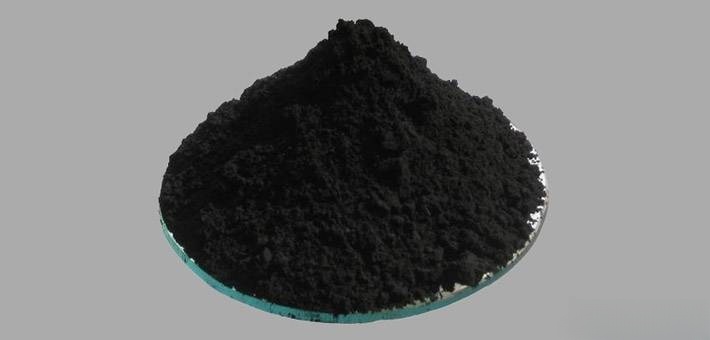
Tungsten disulfide (WS2) is a black or grayish-black powder with the chemical formula WS₂. It's made from tungsten and sulfur and has a layered crystal structure. The bonds between those layers are pretty weak, so they can slide past each other pretty easily when force is applied. That property, along with its solid thermal and chemical stability, makes WS₂ powder useful across a bunch of different industries.
1. Solid Lubricant
The main job for tungsten disulfide powder is as a solid lubricant. Its friction coefficient falls somewhere between 0.03 and 0.07, which is really low. When you use it as a lubricant, those layers slide against each other, which cuts down on friction between surfaces.
Compared to traditional lubricants like graphite or molybdenum disulfide, tungsten disulfide handles heat way better. In regular air, it works reliably up to 650°C. If you're in a vacuum or an inert gas environment, it can keep performing all the way up to 2000°C. It even works in extreme cold—down to -270°C—which makes it a go-to for spacecraft and other gear that operates in crazy conditions.
In practice, you can mix WS₂ powder into oils or greases at around 1% to 15% to boost their extreme-pressure performance. You can also spray it on metal surfaces using dry compressed air or mix it with a volatile solvent to form a dry film coating just 0.5 microns thick. You'll find this coating on things like engine parts, high-precision bearings, cutting tools, and chains—it cuts down on friction and helps equipment last longer.
Industry data shows that lubricants make up the biggest chunk of tungsten disulfide's market—about 55% of global consumption. Add nano-sized WS₂ to engine oil, and you can even reduce fuel consumption by 5% to 15%, while cutting harmful emissions by around 40%.
Stanford Advanced Materials offers high-purity tungsten disulfide (WS₂) powder (CAS: 12138-09-9) with excellent lubricity, high-temperature stability, and chemical inertness.
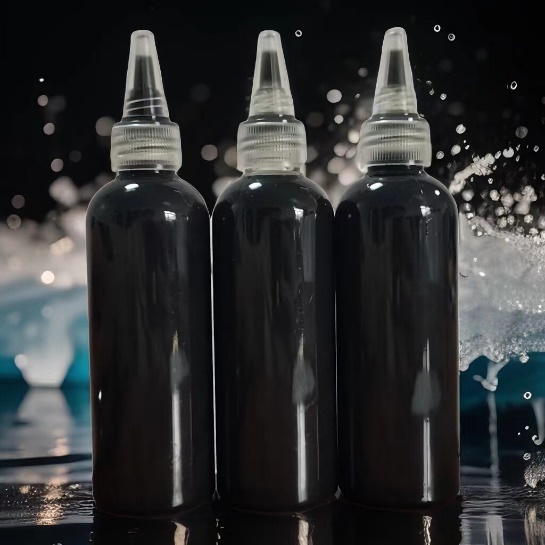
How Tungsten Disulfide Solid Lubricant Gets Used Across Industries
|
Application Area
|
Specific Uses
|
|
Bicycles
|
Chain waxes;
Drip lubricants;
Lliquid waxes
|
|
Automotive
|
Engine oil additives;
Greases
|
|
Aerospace
|
Moving parts in spacecraft;
Satellite mechanisms;
High-temp aircraft components
|
|
Precision Machinery
|
High-precision bearings. shafts, valve parts, pistons
|
|
Metalworking
|
Lubricants for forging and stamping dies
|
|
Deep Sea & Extreme Environments
|
Submersibles, equipment operating in chemically active media
|
|
Engineering Plastics & Self-Lubricating Parts
|
Fillers for composites like PTFE and nylon
|
2. New Energy Battery Materials
In the new energy space, tungsten disulfide is mostly used as an electrode material or additive in lithium-ion batteries and supercapacitors.
When you process WS₂ down to the nanoscale, it gets a huge surface area, which gives electrochemical reactions more places to happen. In lithium-ion batteries, it can serve as an anode material or as a conductive additive for the cathode. It helps lithium ions move in and out more smoothly, which improves charging speed and cycle life.
As solid-state batteries and perovskite solar cells get closer to hitting the market, demand for tungsten disulfide in new energy applications is growing. The annual growth rate in this area is around 9.5%, making it one of the fastest-growing segments for WS₂.
3. Electronics and Semiconductor Devices
Tungsten disulfide falls into a category called transition metal dichalcogenides—semiconductors that actually have a bandgap. In its bulk form, WS₂ has a bandgap of about 1.3 electron volts, which is indirect. But when you peel it down to a single layer of nanosheets, that bandgap shifts to between 1.8 and 2.0 electron volts, and it becomes a direct bandgap semiconductor. That property makes it useful for optoelectronic devices.
WS₂ nanosheets have pretty good carrier mobility and a high on/off ratio, which makes them suitable for things like field-effect transistors, LEDs, and photodetectors. Devices made with WS₂ can offer some advantages in power consumption and speed.
In the semiconductor industry, WS₂ is also used to make thin-film transistors and as a doping material. And researchers working on 5G base stations and flexible displays have been taking a close look at it too.
4. Industrial Catalyst
In the petrochemical world, tungsten disulfide is used as a catalyst for hydrodesulfurization—a step in oil refining that pulls sulfur out of petroleum products to make low-sulfur, cleaner-burning fuels.
WS₂ holds up well as a catalyst—it's stable and lasts a long time. In hydroprocessing, WS₂-based catalysts help drive reactions like hydrodesulfurization and hydrodenitrogenation, helping refineries meet stricter environmental standards.
The catalyst sector accounts for about 20% of global tungsten disulfide consumption, making it the second-largest market. As fuel sulfur limits keep getting tighter, demand for WS₂ in catalysis keeps growing steadily.
5. Biomedical Sensing
In biomedicine, tungsten disulfide is mostly used in biosensors. WS₂ nanosheets have a large surface area and play nice with biological systems, which makes them a good platform for attaching things like antibodies or DNA probes.
Biosensors built with WS₂ can detect specific biomarkers. Research shows they have potential for things like detecting cancer biomarkers, DNA sensing, and identifying pathogens. Compared to traditional methods, WS₂-based sensors can be more sensitive.
Beyond sensing, researchers are also looking at WS₂ nanomaterials for things like photothermal therapy and cell imaging. In the lab, WS₂ nanotubes functionalized with carbon dots have shown some promise in these areas.
Conclusion
Tungsten disulfide powder has real-world uses across five main areas: solid lubrication, new energy batteries, electronics, industrial catalysis, and biomedical sensing. Lubricants still take up the biggest slice of the market, but new energy is the fastest-growing piece of the pie.







 Selenide Powder.jpg)